
"Im sure you've heard comments like these from peer clinicians:
"There's no money working in this field." "When you do what you love, you will do it regardless of how much you're paid." Given the level of sacrifice that goes into obtaining the education, maintaining licensure and holding space for trauma, I wasn't convinced that a vow of poverty for the sake of protecting the emotional health of others was my path. Many people who need our services will not seek help due to this stigma associated with mental health issues, so it may be easier to reach them through professional association conferences, faith group seminars or university events, for example. According to www.salary.com, public speakers in the U.S. earn an average of $90,352 per year. With that in mind, here are four areas you must cultivate in order to prosper as a paid speaker.
Defining a niche may feel counterintuitive. Many clinicians have worked in academic and agency settings where the expectation is for you to become an expert within many aspects of mental health. However, to stand out as a speaker it's important to niche down to a specific mental health topic and population. For example, saying, "I speak on the clinical implications of depression in adults" is not narrow enough. Here is a better defined niche: "I help corporate professionals manage prolonged stress from staff shortages caused by the pandemic."Speakers should have one to three signature talks that they provide to organizations. Dwayne Buckingham, Ph.D., and founder of The Business Academy for Social Workers and Counselors, advises clinicians to "do their homework before reaching out to (organizations), and understand their speaker budget." Nonprofits, government agencies, CEU organizations and corporations are examples of entities to target. Buckingham often speaks to CEU organizations and shares that he often requests "a flat rate and adds an additional $10 per person over 30 attendees."
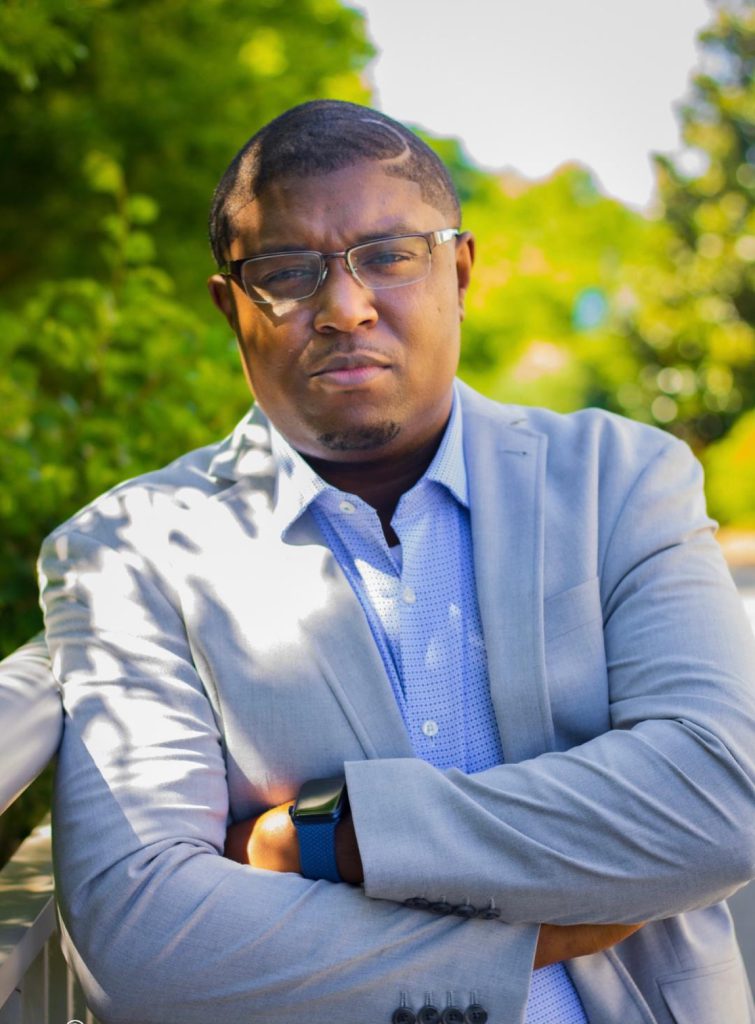
Dwayne Buckingham advisesclinicians to "do their homework before reaching out to (organizations), and understand their speaker budget."
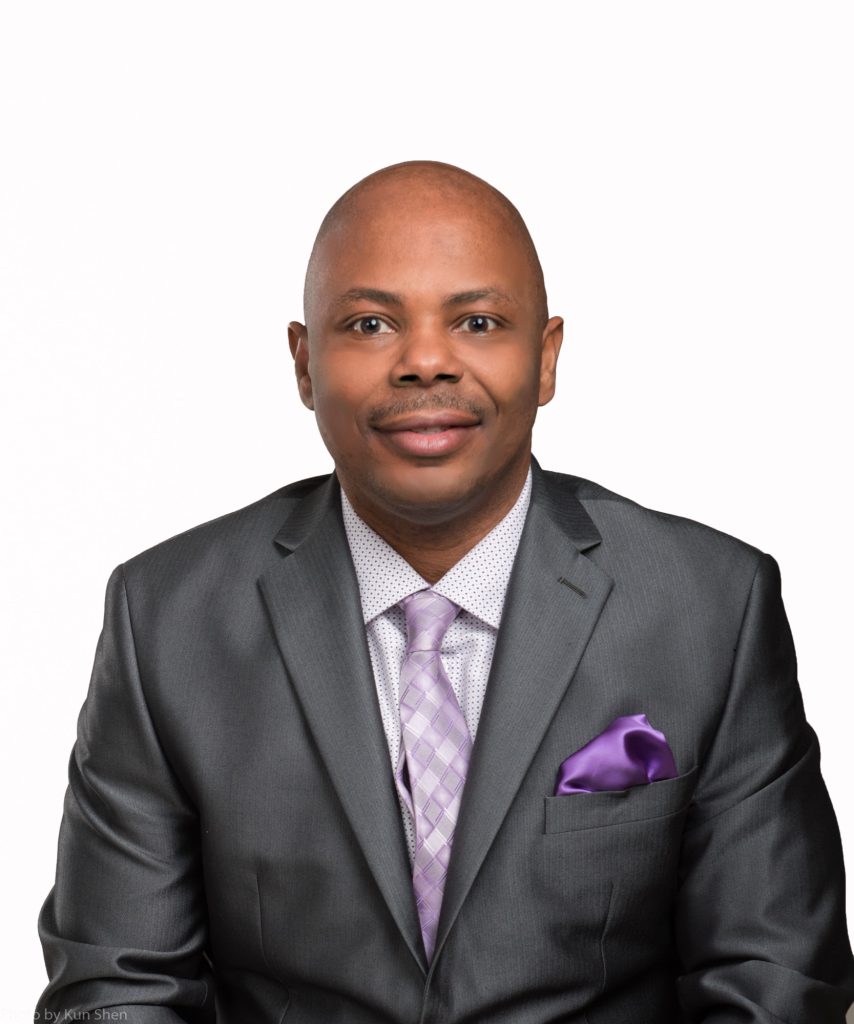
Precious L. Williamsadvises clinicians to turn free speaking opportunities into money-making venture.
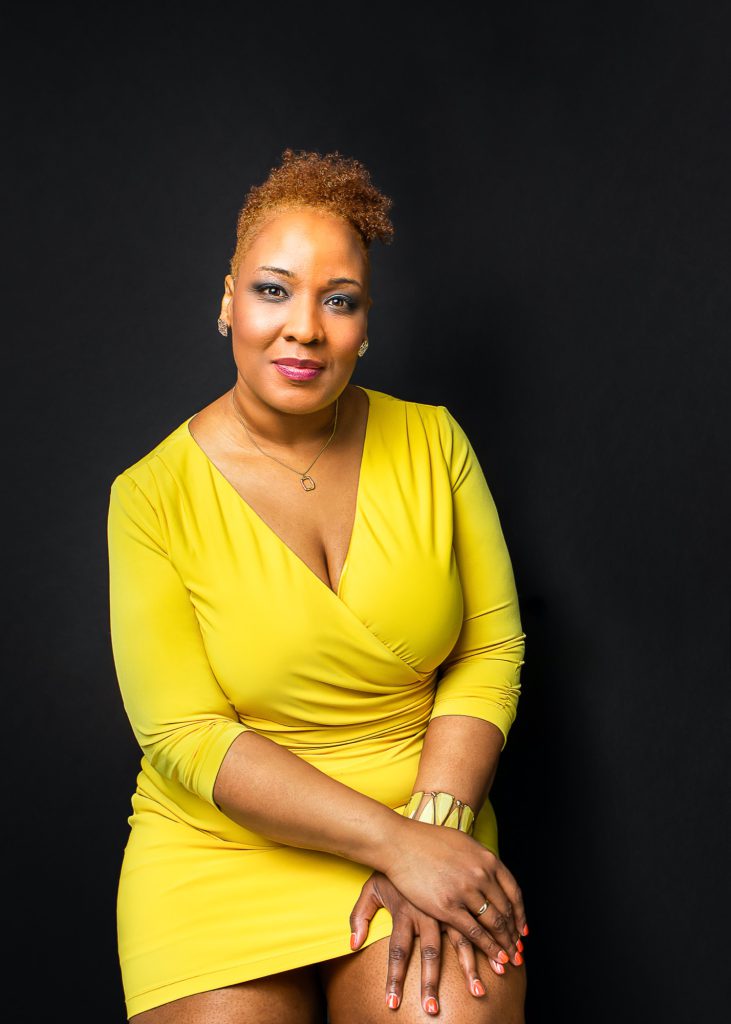
"Many clinicians are doing public speaking but aren't monetizing it," says Laura Louis.
Licensed therapist Tameka Wade Brewington says "What Happened to You?" provides alarger platform to discuss treatment of childhood trauma.
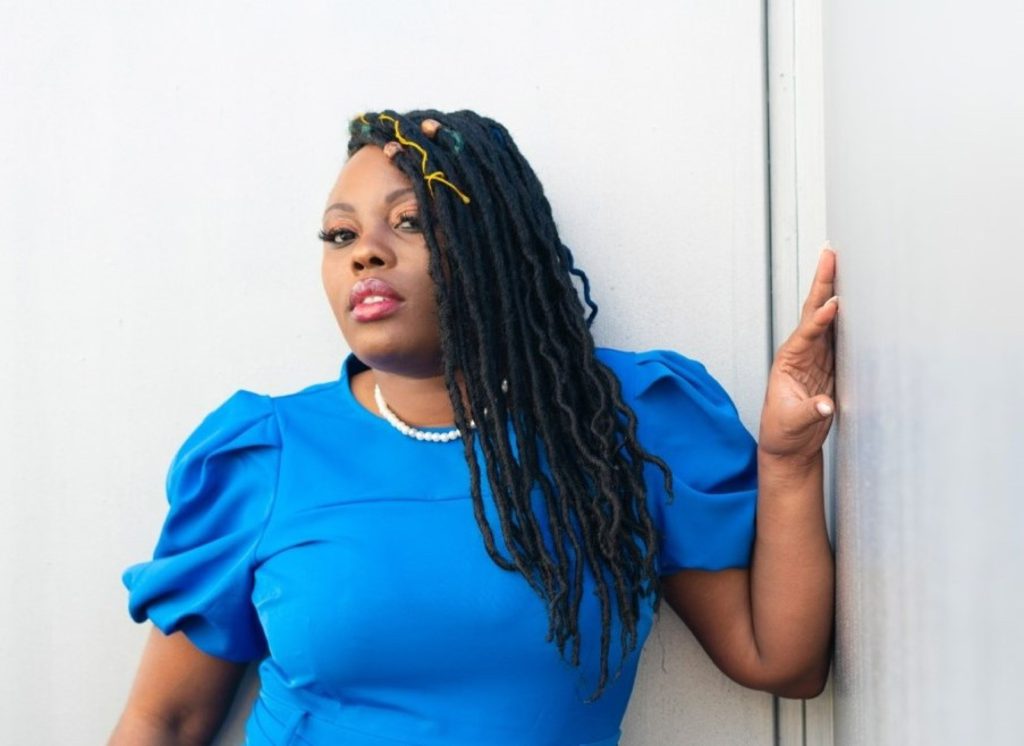
Black mental health professionals avoid seeking help out of concern for their professional image, says Alicia Harris.
King Davis shares a moment with Virginia Gov. Douglas Wilder in 2003 following Wilder's lecture at the University of Texas at Austin.
King Davis and his staff at the Institute for Urban Policy Research in the College of Liberal Arts, African and African Diaspora Studies at the University of Texas at Austin, in 2014 at his retirement.
Dr. LaTonya Summers is editor in chief of Black Mental Health Today.
Aimee Ebron is a freelance writer and the author of "Lament Into Healing: Journaling From Grief to Healing." She currently resides in Colerain, North Carolina.
First published in Black Mental Health Today, Winter 2021 (No. 2).