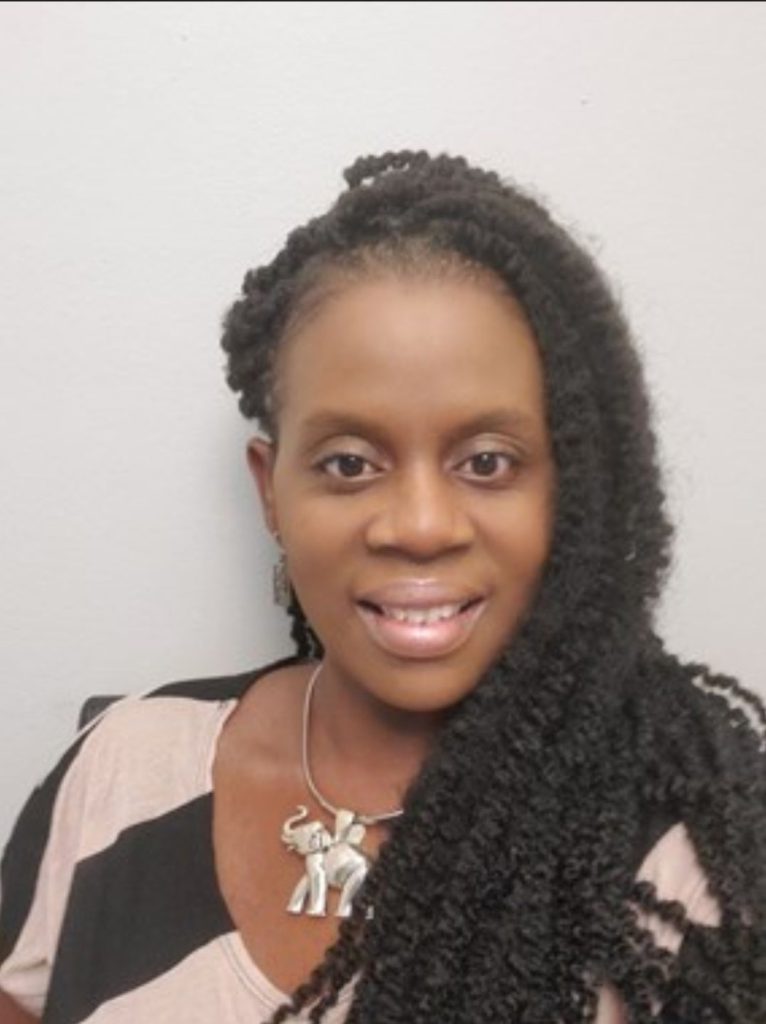
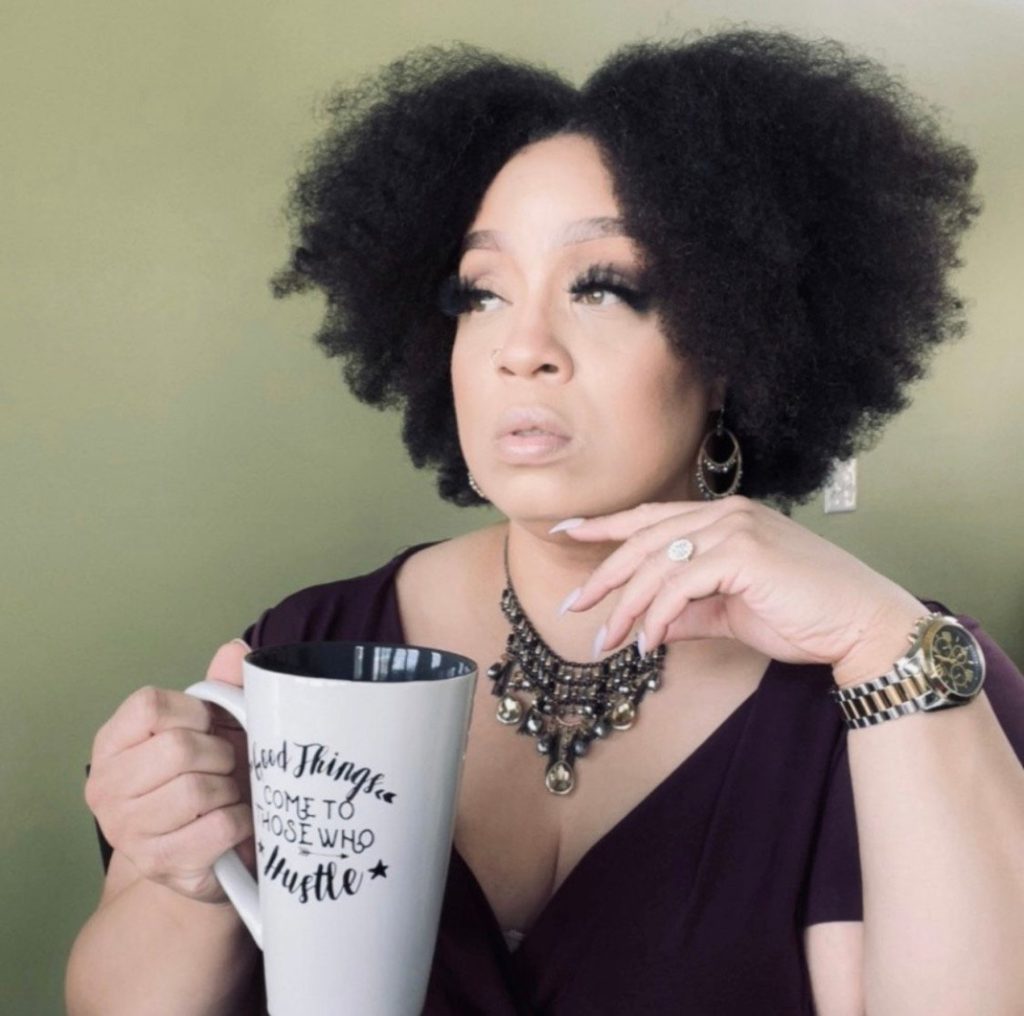
Karla Sapp remembers the case that broke her heart. The year was 2007, and she was working as juvenile probation/parole specialist II with Georgia Juvenile Probation. Several boys – probationers who were then 12, 13 and 14 years old – had been involved in a crime, and the older two were to be charged as adults. Which meant, she says, harsher sentences. "What they did was heinous," she says. "But they were children." By the time they had gone through the court system and were to be sentenced, the youngest was almost 14, but they all were still in their formative years as teens. She knew the battle for a lesser sentence for the older two was probably futile, but with the youngest one, she thought there was a chance. "Don't take his childhood away," she begged the judge. "If you send him away, he misses some of his most formative years." She recommended a group home, and the judge agreed to a five-year term. "He did his time," she recalls. "He came home. Finished high school. Played ball. He's now in the military, and doing fine."But the others? "I tried to talk to the prosecutor," Sapp says. "I get that what they did was heinous. If they do the five years, they will come home at 20, 21 years old. Otherwise, their lives will be ruined. And the judge looked at me and said, ‘I couldn't care less about that.'"

"That broke my heart. When the judge convicted the 15 year old to 20 years, 10 of which were mandatory, and then the 16 year old (to a 20-year term) that's when I said, ‘I can't do this. I didn't sign up to send babies to prison.'" The judge didn't see what she saw. She saw three young people who lived with trauma, and who had two x's on their backs because they're Black and they're male. She saw the trauma of the weight that they carry from birth. In order to be trauma informed, Sapp says, one must be social justice informed. In order to be a better advocate, one must understand the systems of inequality and unfairness that play out generationally in the lives of Black people. According to an article in Scientific American, most Black and Latinx adults with mental health problems do not have access to treatment, and Black people are more likely to be diagnosed with schizophrenia, labeled as hostile and given large amounts of antipsychotic medication than white people.
Sapp earned her Master of Arts in professional counseling from South University-Savannah and her doctorate in counseling psychology from Argosy in Atlanta. She has been in practice for 13 years, specializing in general mental health and addictions counseling among the adult and criminal offender populations. She now works with incarcerated people in Georgia and says advocacy, social justice and mental health are not only connected, they are concentric circles of rippling complications and possible outcomes. Myriad factors complicate the outcomes, many starting at home and in school in early childhood, and are part of a transgenerational cycle. Sapp says the awareness of social justice is important at each step and in each space, whether the home, or school or the world at large. She says it takes a level of understanding of all these factors to realize how Black men view and respond to the world in which they live, and how others in the world respond to Black men. It's important, also, to understand the neuroscience. At about ages 8 or 9, Sapp says, it has been determined who is more likely to, more or less, struggle or even fail in the eyes of society. If children are lagging in reading and are unable to catch up by the end of third grade, the deficit is difficult to overcome. Failure to thrive in literacy is linked to future failures, according to the National Research Council, which says, "Any child who's not reading fairly well by the end of third grade is unlikely to graduate high school. Policy makers note big ramifications beyond the classroom, too, since poor readers tend to have more behavioral and social problems." The compounded effects means children become labeled more often as behavioral issues, and become part of a statistic that determines the sizes of future prisons. So, a child gets a "reputation." And children, says Sapp, are like sponges, so when the teacher identifies a child a certain way, the child takes on the identity. She adds that if someone tells a child, "You'll be just like your daddy, or whoever, and he ain't no good,' and they use that stigmatizing language, then they (children) take on that persona." Outside stressors are equally powerful. If a child is living in a disenfranchised area, and is hearing police and emergency sirens constantly at night, or is worried about being outside alone, this all compounds any internal trauma the child may be dealing with. Sapp advocates training for teachers and other authority figures because understanding the baggage a child might be carrying is vital to recognizing that child's humanity. The ‘Concentric Circles' Jessica Haas, an assistant professor of counseling at the University of Texas Rio Grande Valley in Brownsville, just across the border of Mexico, tells her students to consider context and the building blocks of a story, and then to put themselves in their subjects' shoes. "I say, ‘Consider this (person's) set of values, and from this perspective, what do you think is right and true?'" Haas says. "If we use their value system, and their worldview, what can we understand?" Haas earned her doctorate in counseling and is a nationally certified counselor who teaches multiculturalism classes. She says those roles are opportunities to share the work of social justice, a role that often falls to those whose lives are most disrupted by the lack of justice. "As a white person teaching this course, it's an incredible opportunity to be able to speak across culture," she says, "When I speak truth to power, they say. ‘There's a white person speaking to this.' I have a social power that I can use in advocacy that's not as easy to dismiss and I try to bring that into the classroom."
Haas says that in Brownsville, the predominant language is Spanish and the majority population has brown skin. Advocacy is baked into this culture, she says, so much that there is a word for anybody who does work toward social justice: Chicano. It is a term that grew out of the Chicano Movement, which championed education reform, land reformation and rights for farmworkers. But, Haas says, working in advocacy of those stranded at the border is sometimes difficult. Factors such as racism have led to distrust of some American advocates, and the inability to engage and encourage open discussion has thwarted making strides in social equity and justice. "The community is so vulnerable … the dominant culture is not dominant," Haas says. "Advocacy is innate in the culture, and it's stifled. It is a big part in why there isn't more advocacy and allyship (on the border). And there's a healthy bit of racism, as well." As a Jewish woman, Haas understands transgenerational trauma, while recognizing her own limitations and her privilege. "In reality, I really don't have (trauma). I have a glimpse," she says. "I can share that glimpse. …"Decolonizing mental health For six years, The Washington Post has kept track of police killings. Analysis of this data, and of data examined after the 2014 officer-involved death of Michael Brown in Ferguson, Missouri, reveals several things, including:
The FBI undercounted the number of police shootings that resulted in fatality by more than 50%.
The rates of fatal police shootings remains consistent.
Black people, despite accounting for less than 13% of the population, are killed at a disproportionately higher rate than white people.
"Police are not psychiatric responders," says Reia Chapman, an activist and psychotherapist based in Charlotte, North Carolina. "They aren't trained that way, and people die as a result."Chapman, a licensed clinical social worker who has a master's degree in social work, has a background as a social justice organizer and activist across the intersections of reproductive health, police accountability, and queer and racial justice movements. In 2016, during protests in Charlotte after the death of Keith Lamont Scott at the hands of police, she saw a community in pain, and she founded the Social Justice Emotional Response Collective (Charlotte Uprising Emotional Response Team), a grassroots delegation of 100 clinicians and healers to provide free mental health support. "I think more emphasis is placed on threat of harm than anything else. The narrative often is, ‘It's either life or death.'" Training procedures are based in harm and threat, and across the board, she says, people fear what – or whom – they don't understand.
"When you put people who have limited knowledge, experience, patience, in a situation they don't understand, it really decreases the likelihood of a rational response," she says. "People do what they can, and unfortunately, that has resulted in unnecessary deaths."The conversation is, ‘How do we solve problems?' And that's what social workers do. We ask, ‘Is this the best way?' We need not make assumptions that people who have a mental illness are dangerous."I think people really need to humanize humans, things have become so generalized and depersonalized. The things that we have justified just in the past year and a half, the treatment of other humans – I think it's really important for people to remember they're dealing with people."
Rheeda Walker's book, "The Unapologetic Guide to Black Mental Health," was published in 2020.
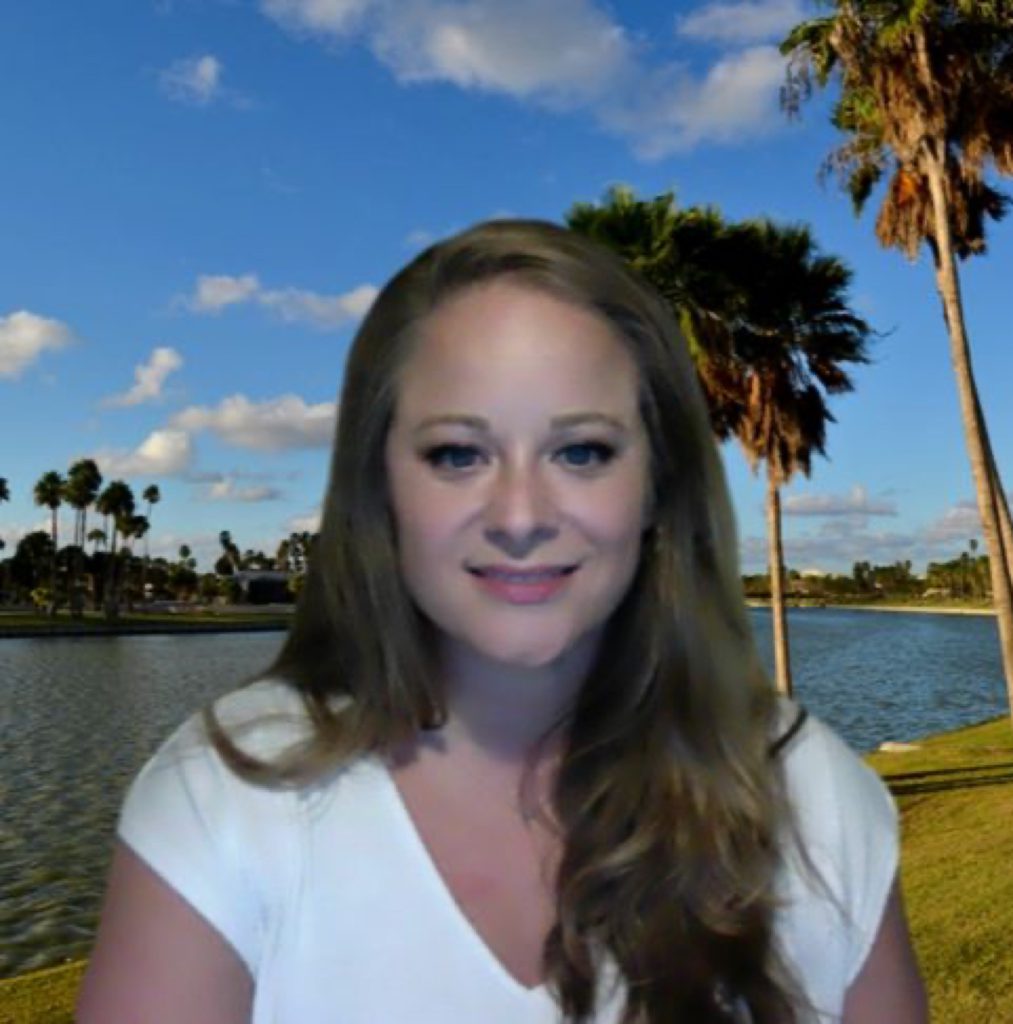
"I realized as a psychology major that the textbook didn't reflect my community and my everyday experience."
"To be a Negro in this country and to be relatively conscious is to be in a rage almost all the time." – James Baldwin
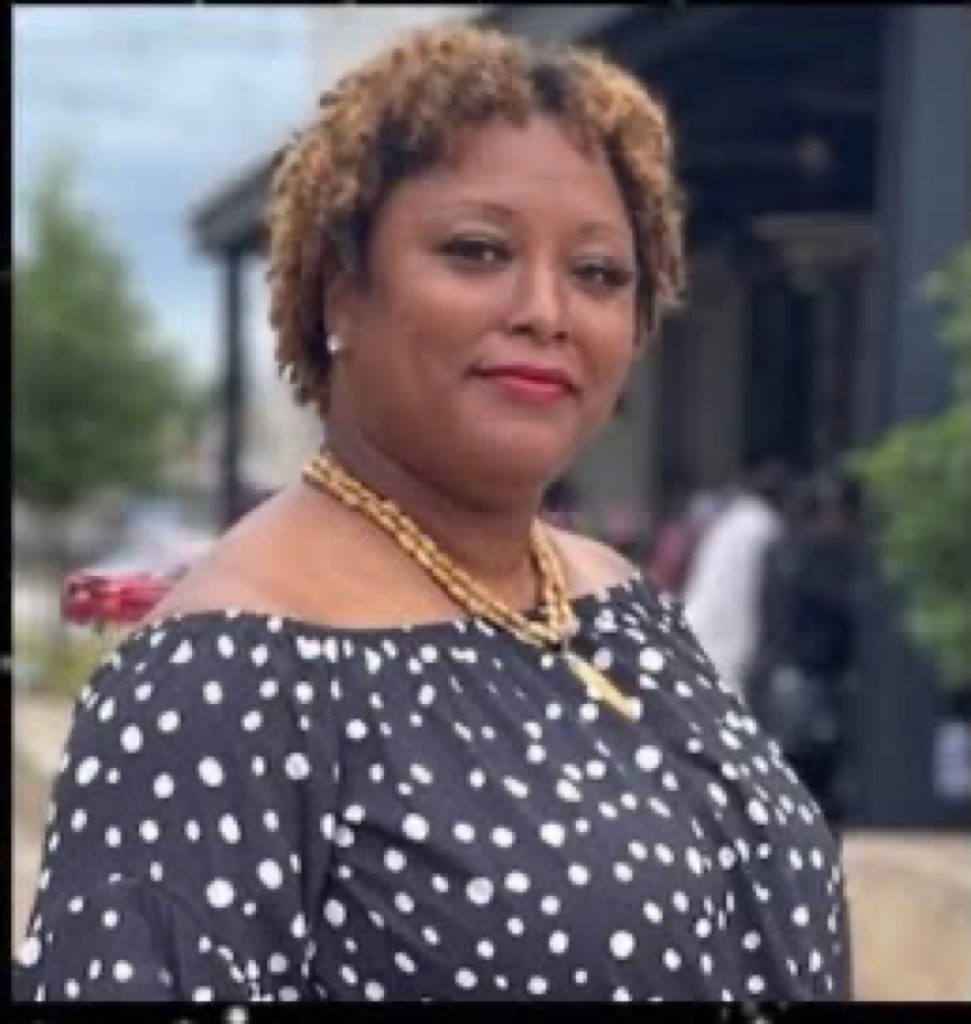
feature BLACK MENTAL HEALTH TODAY
My success isn't about me, it's about what I can do for my community. I know we don't all think that way, but if we did, we could get further along. I don't get to have a ‘me' and ‘I' mentality. It has to be a ‘we' and ‘us' approach."
Dartinia Hull is a writer who is based in the South. She has been published in CNN, Next Avenue, The Bitter Southerner, i Pondr, The Charlotte Observer, Age of Awareness, Noteworthy: The Journal Blog and MUTHA Magazine.
Aimee Ebron is a small business owner currently working as a freelance writer in Colerain, North Carolina.
By Aimee Ebron
BLACK MENTAL HEALTH TODAY WHO'S WHO
WHO'S WHO BLACK MENTAL HEALTH TODAY
First published in Black Mental Health Today, Winter 2021 (No. 2).