
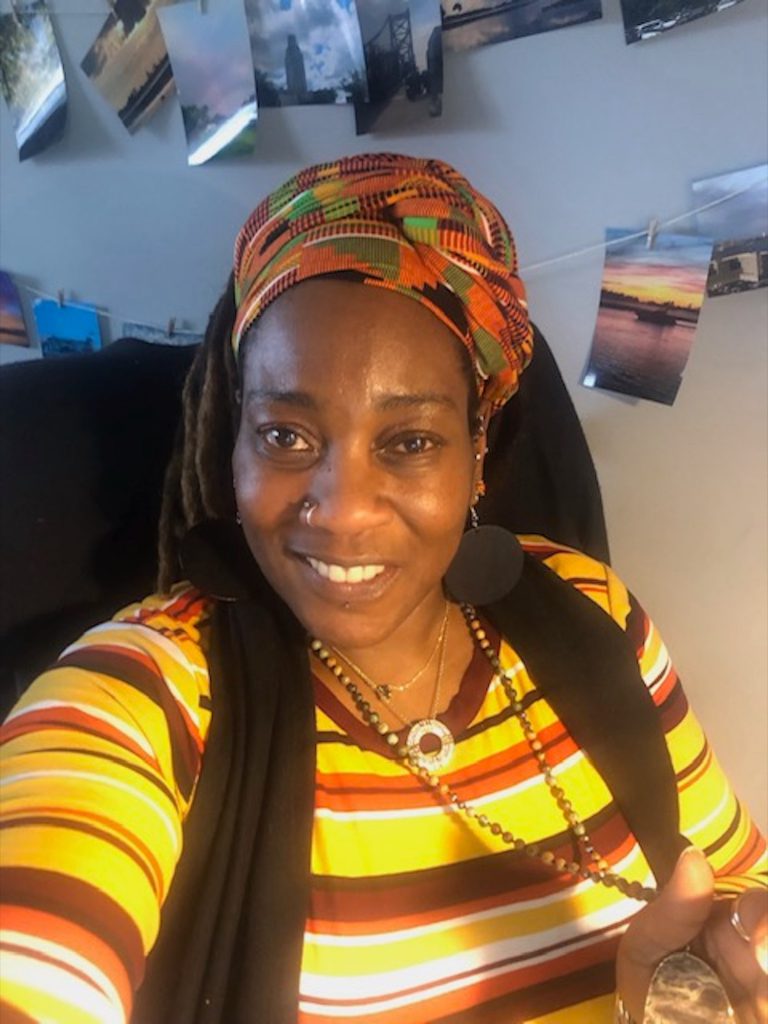
Lauren Brown, a licensed social worker, gained a different perspective about the high demand for Black mental health providers when she had trouble finding professional support for herself. "I knew it was a problem because when I had to look for my own therapist, (and) I couldn't find one," she says. Research shows just 4% of psychologists and 16% of counselors are Black.
As the only full-time Black woman offering therapy at a practice in New Jersey, she preferred to not identify her employer by name for fear of losing her job, Brown has balanced 45 to 50 clients at a time. "I can't ever have a blank spot on my schedule," she says. To squeeze in as many clients as possible, her employer schedules sessions back-to-back without space in between for phone calls, typing notes or even bathroom breaks. "You're traumatized every day by other people's trauma," she says, "and you don't even get time to deal with it."Black providers are especially at risk for burnout due to discrimination and oppression in and outside of the workplace. Added to that are the increased caseloads of Black clients processing similar experiences, which could lead to secondary trauma for Black providers."A year ago, I wanted to get out of the field," says Brown, who's sick of the low pay and high stress. Because interpersonal work in clinical settings is already challenging, stressful workplace dynamics could place practitioners at higher risk for burnout. Brown has provided services in various inpatient and outpatient settings throughout her 25 years in the industry and has left two jobs during the pandemic during her search for a healthy workplace environment. In one recent position, she was expected to cold call clients for what she referred to as surprise therapy. "That's basically a cold call to talk about your trauma," she says. "I didn't agree with that, so I left." She encourages practitioners to communicate with employers about problematic dynamics and to leave positions if they aren't supported. Brown oversees interns at her current practice, modeling how to set boundaries and encouraging them to invest in time for themselves – but it's hard to accept her own advice. This role creates even less time for her own clients which means her wait list is growing, and she hasn't taken a day off in seven months. "I haven't figured out how to do it and not feel guilty for my clients," she explains. ‘It's hard to step away' Burnout is correlated with higher hours worked – so increased demand puts practitioners at elevated risk if they're pressured to work more. "I think when you're passionate about making a positive impact and supporting people, it's hard to step away," says Lee Chambers, a psychologist based in Preston, England, who is a solo practitioner. Clients worldwide are increasingly seeking "therapists who could potentially relate to aspects of their lived experiences," he says, "so we see an increased demand for therapists who fit those demographics." Some providers might also be insulated from burnout if they feel a commitment and connection to clients who share their culture and lived experiences. But Chambers, who is an openly autistic provider, adds that this can be emotionally challenging for providers who live at the intersection of multiple marginalized identities.
For instance, there are few options for neurodivergent people to see Black practitioners, which can make Black providers who are neurodivergent take on more than they should to help others.
Chambers says he becomes heavily invested in his clients, so providing individual therapy can drain his energy. When he felt symptoms of burnout approaching, he rethought his place within the industry and launched Essentialise, a company that helps to create psychologically safe workplaces by teaching about mental health and general wellness. He leads workshops on mental health topics, measures individual and team wellness, develops strategies to address concerns and implements sustainable changes to improve culture. He offers less individual therapy now in order to "take a step back from the frontlines to dismantle structures, reduce barriers and create new spaces," that promote mental health, he explains. "That's energizing work for me, and I found that I need that balance."Because demand for care is so high, he feels he can reach more people by shifting the way workplaces and communities operate, helping them dialogue more openly about mental health and changing their underlying culture. He adds, "The smallest support networks can provide the biggest validation," possibly reducing the need for services. This alleviates the pressure to create more time to meet with additional clients and offers more opportunities to collaborate with other professionals to creatively address increases in demand.
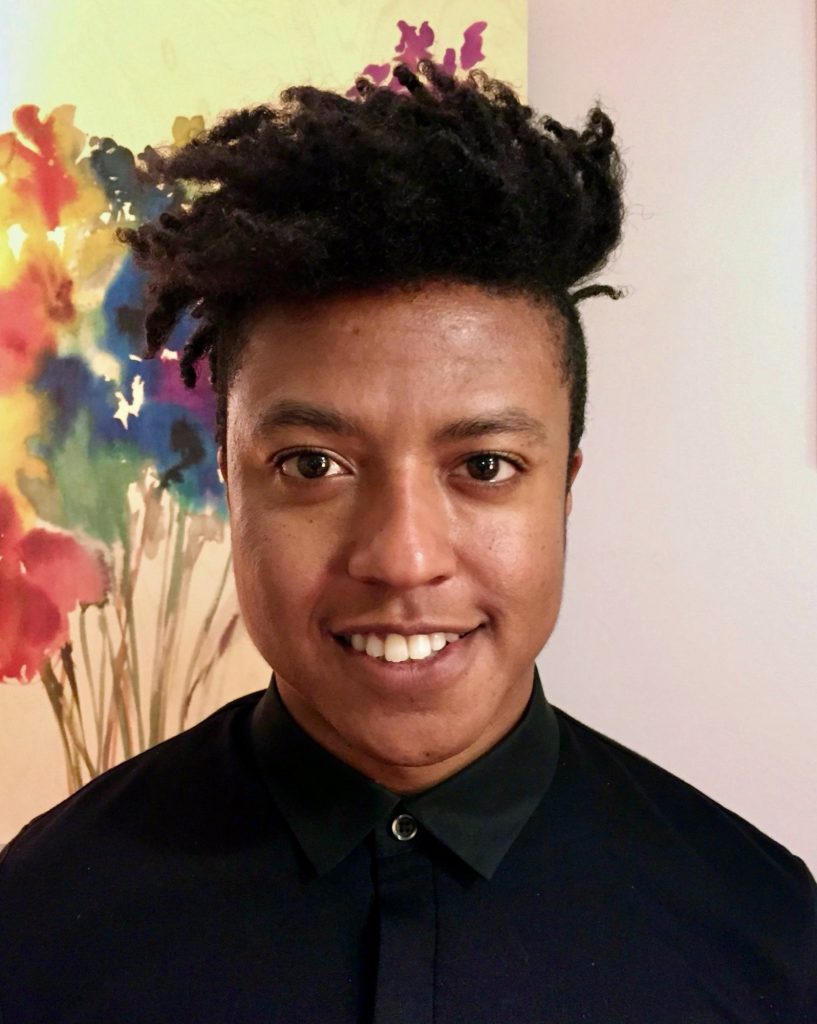
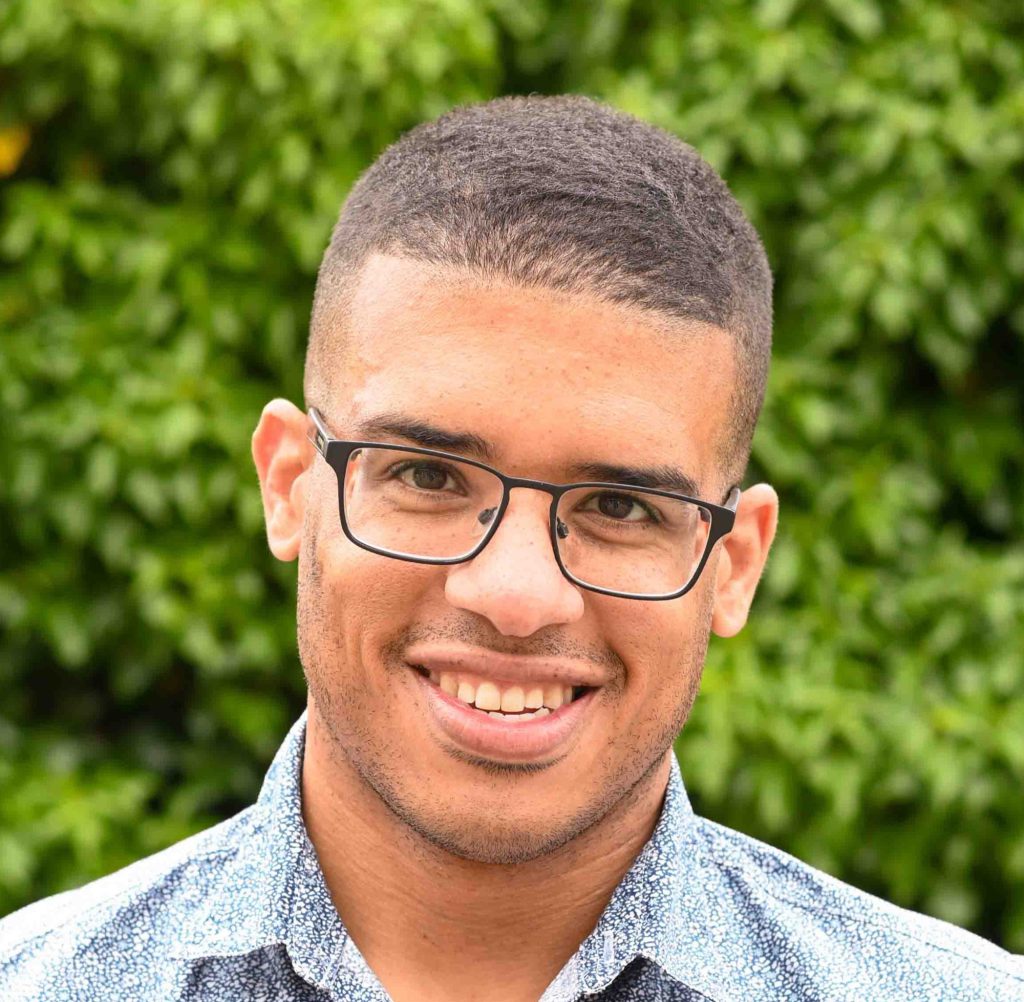
"Part of what helps me as a mental health professional is being in practice with like-minded people," says Aaron Skinner-Spain, a licensed clinical social worker specializing in trauma. He started his practice, NYC Affirmative Psychotherapy, as a resource full of Black and queer providers when he noticed a lack of options for these communities in New York City. He says it's still difficult to find competent referrals for clients his practice can't take on or those who need additional support. "Sometimes we have to work extra hard to find community and access to more supportive environments," he says, noting that marginalized practitioners can't always find safe and affirming providers to collaborate with. Skinner-Spain's practice feels more like a community to him, which helps him balance the burdens of increased client demand. "It's just another anchor of support that we have that can help avoid burnout, and also to bear witness to all the grief and rage and blues we're constantly taking in." He encourages solo practitioners who are trying to cope alone to build a strong support system however they can to avoid isolation."Demand is an ongoing issue. There's always been a lack of services for these communities," he says, referring to Black and marginalized groups. He notes demand will only increase as the stigma surrounding mental health issues decreases, emphasizing the importance of providers "practicing what we preach" to prevent burnout. "We need to be responsible to ourselves," he says, "so that we have longevity."

First published in Black Mental Health Today, Spring 2022 (No. 3).