Four professionals whose work is shaping Black mental health.
S. Kent Butler Jr.
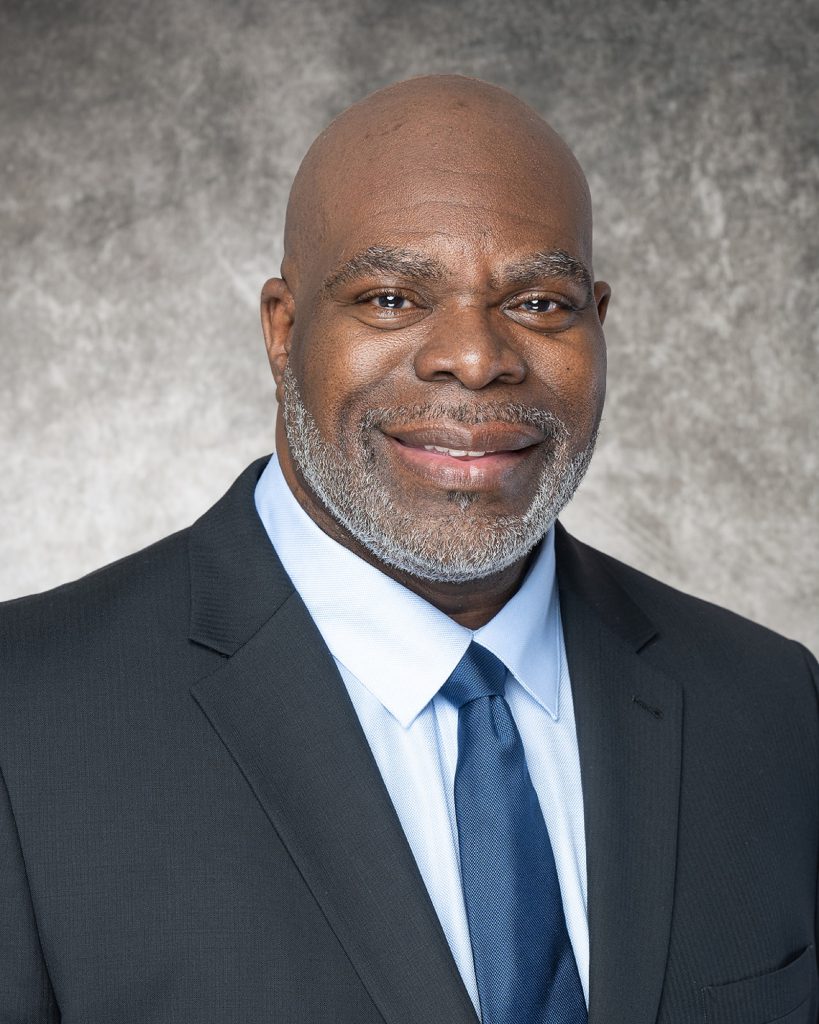
S. Kent Butler Jr., is a professor of counselor education at the University of Central Florida. He is also president of the American Counseling Association and an American Counseling Association fellow. He has also been the Association for Multicultural Counseling and Development’s president. an ACA Governing Council representative, and he is a member of AMCD’s Multicultural Counseling Competencies Revisions Committee. Butler formerly served the University of Central Florida as the interim chief equity, inclusion and diversity officer, and was a National Association of Chief Diversity Officer in Higher Education fellow (2020-2021). He is faculty adviser to Chi Sigma Iota International Honor Society, the Counselor Education Doctoral Student Organization, Project for Haiti Knights and the NAACP.Butler earned a doctorate in educational psychology from the University of Connecticut. “I am here to show up, shake things up and bring other people into the equation as well,” he says.
Yasmin Gay
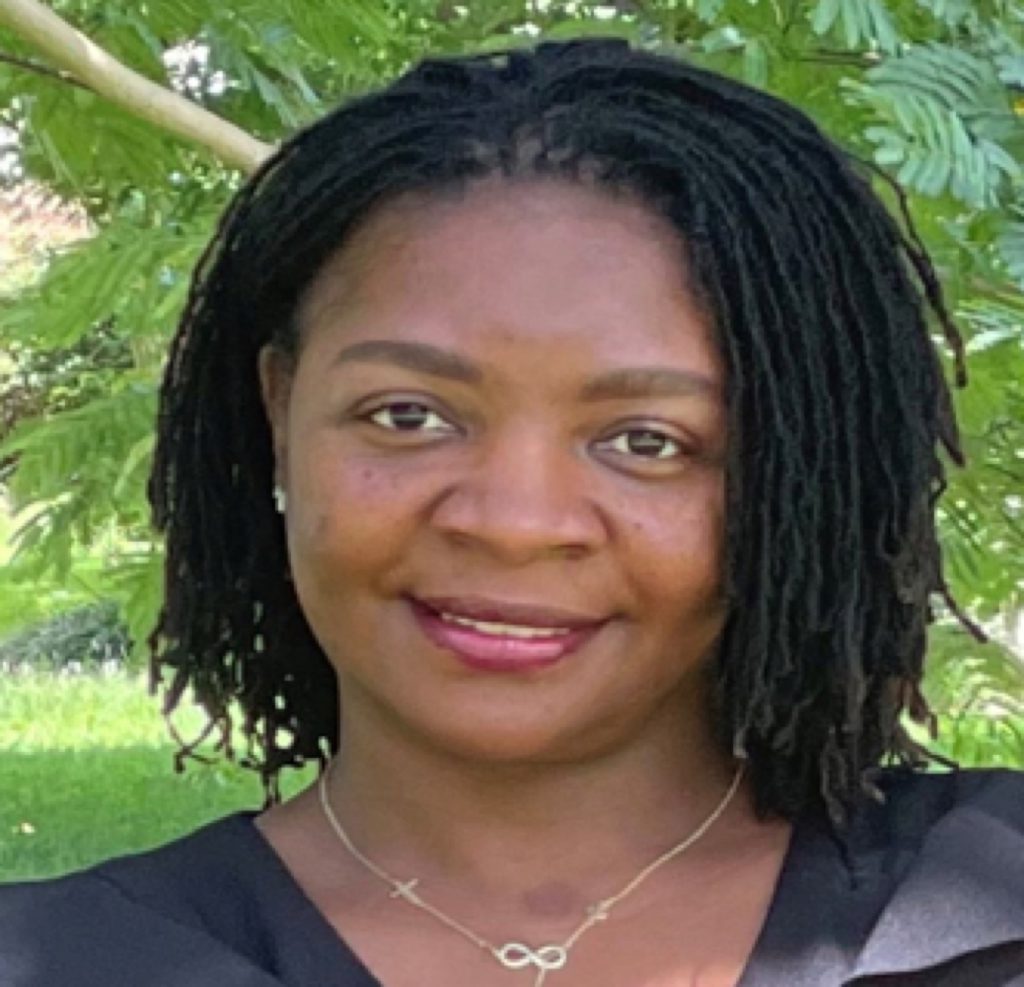
Yasmin Gay is a licensed clinical addictions specialist, licensed clinical mental health counselor, master addictions counselor, certified clinical trauma professional, certified rehabilitation counselor, certified clinical supervisor and certified criminal justice addictions professional. Gay is also an assistant professor in the surgery department at Wake Forest School of Medicine in Winston-Salem, North Carolina, providing clinical supervision and mentoring. “Clinicians treat the invisible wounds of the individuals we serve,” says Gay. “It is our responsibility to gain insight regarding those wounds by being open to the experience and exposure of our clients’ views, perspectives and journey. “I am a firm believer that what we believe is how we will practice, and if we are not open to all possibilities of providing client-specific mental health care, then we will indeed do a disservice to our clients and the community at large.”
Wesley Jackson Wade
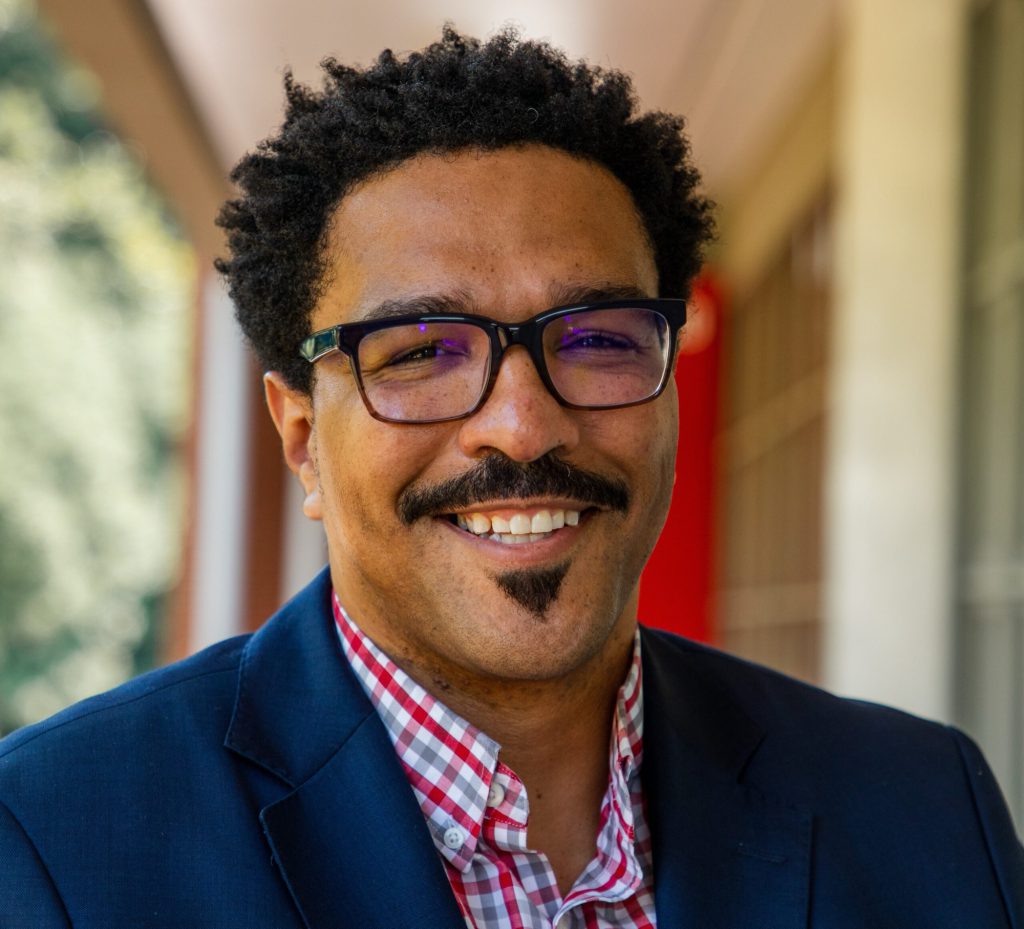
Wesley Jackson Wade is a licensed clinical mental health counselor, a licensed clinical addictions specialist, a certified clinical mental health counselor and a nationally certified counselor. He owns and operates Forward Counseling and Consulting in Chapel Hill, North Carolina; collaborates as a neurodiversity consultant with Genius Within CIC, which helps neurominorities fulfill their potential in employment and their careers; and serves on advisory councils for Neuro-Guides and the Lego Foundation. Wade is wrapping up work on his doctorate in counseling and counselor education from N.C. State University in Raleigh.“I took a gamble going back to school for a master’s in counseling,” says Wade. “There is a lot more that we can do besides the job. You have to bet on yourself to strengthen yourself. There are ways to stack the deck a little bit in our favor. I took a leap of faith and invested in myself.”
Constance Perkins
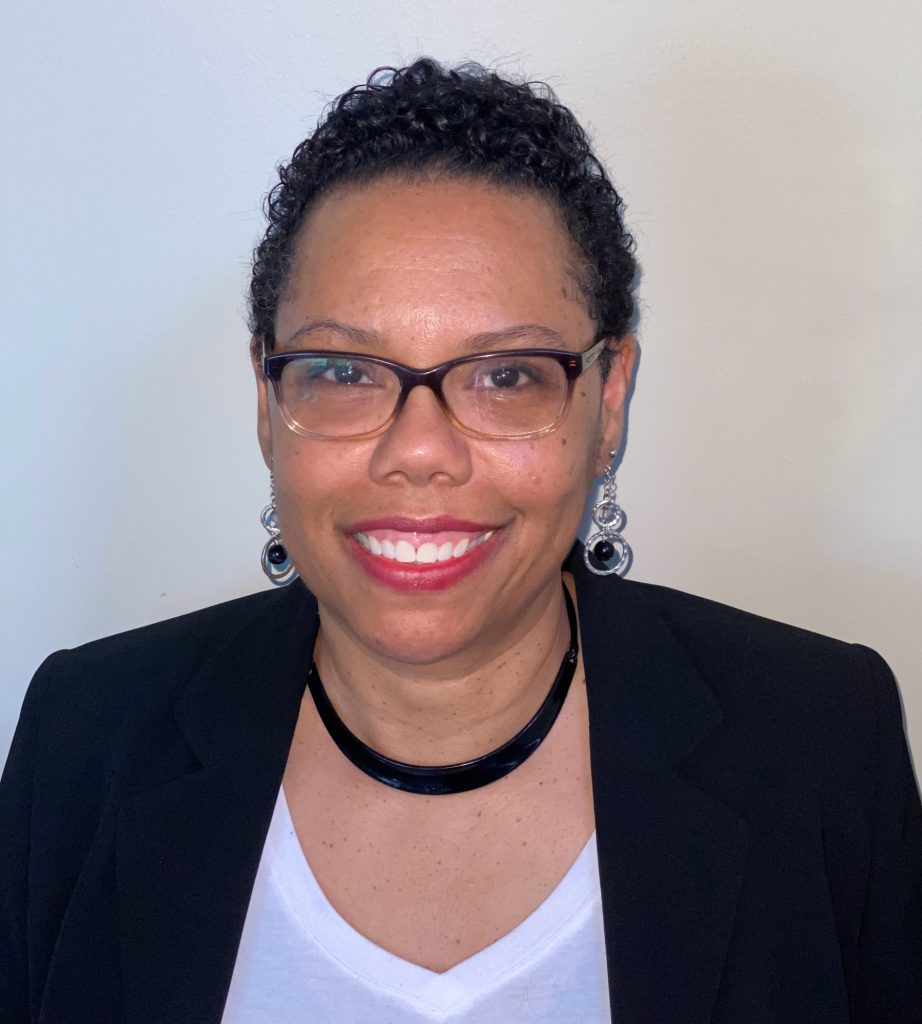
Constance “Connie” Perkins is a licensed clinical social worker who launched Perkins Counseling & Consulting in Charlotte, North Carolina, in 2021. Perkins earned her bachelor’s in psychology from Michigan State University and her master’s in social work from Temple University. She is pursuing her doctorate in social work at Simmons University in Boston.
Perkins’ professional career began with a fellowship at the Yale Child Study Center. For more than 30 years, she has practiced in hospitals, schools and outpatient psychotherapy settings where she developed programs and training focusing on children and families. Perkins specializes in chronic illness, anxiety and depressive disorders using cognitive behavioral, dialectical behavioral and mindfulness therapy techniques. “It is important that clinicians practice from an anti-oppressive and antiracist perspective,” says Perkins, “with an awareness of the power differential in the therapeutic relationship and consideration for the intersectionality of our clients when assessing, diagnosing and treatment planning.”
First published in Black Mental Health Today, Summer 2022 (Vol. 4).