Four professionals whose work is shaping Black mental health.
Devona Stalnaker-Shofner
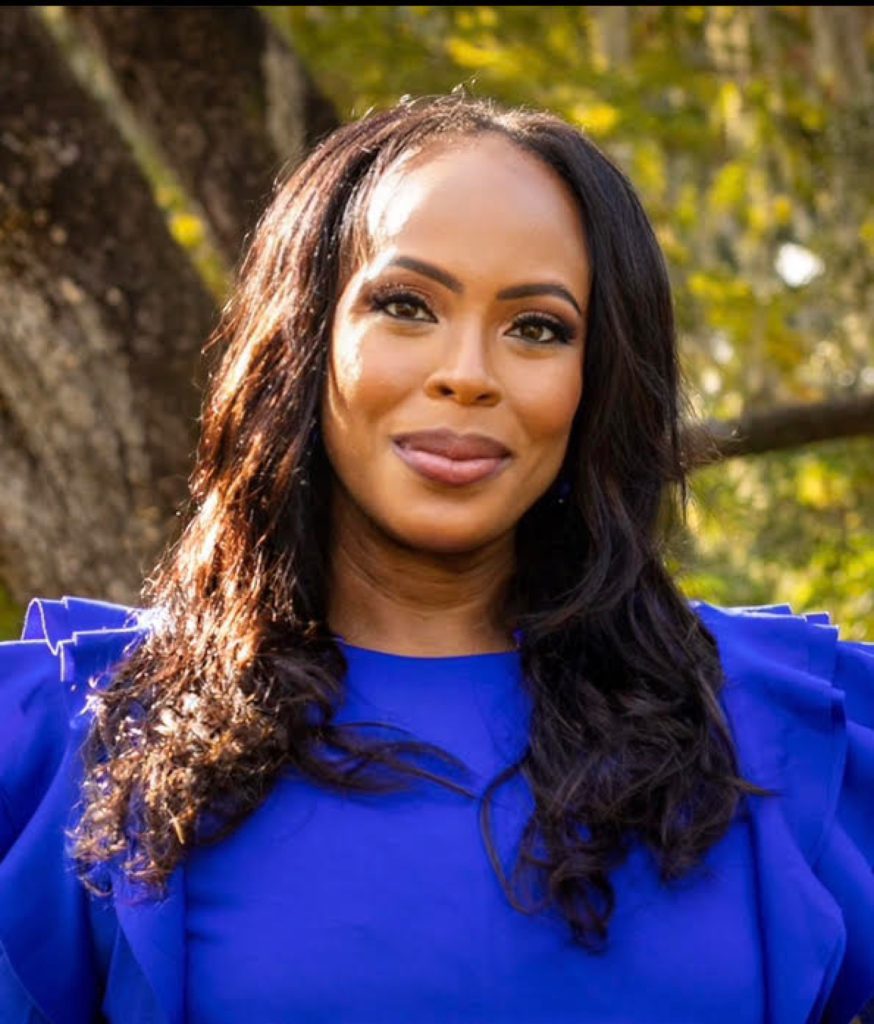
Devona Stalnaker-Shofner knows trauma – she was sexually assaulted in high school. “I worked with a counselor to get through that and knew counseling was something that I needed and wanted to do with my life,” she says. And she did just that. She became a licensed professional counselor and is an associate professor in the psychology department at Antioch University. She also maintains a private practice and recognizes Black people “do have a distrust of organized medicine because historically they had not fared well when it came to institutions.” When she counsels clients, she “nurtures that relationship, so they are willing to take risks with me.” Addressing these risks, she says, “helps them make the changes that they want to implement in their lives.” And she can relate to the process because she goes to therapy, too. “I think this experience as a client helps me understand my patients’ journeys,” she says.
Anjanette Young
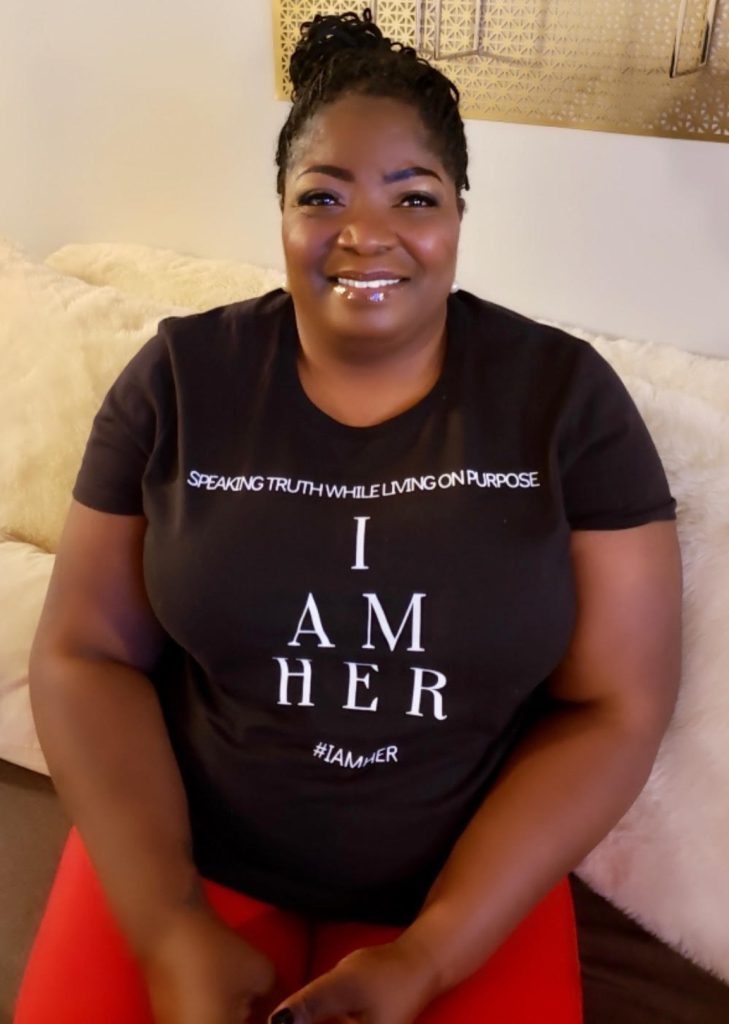
Licensed social worker and CEO of Cafe Social Work Anjanette Young feels like “she was born to be a helper. It came naturally to me and led me into social work.” Growing up in Mississippi, Young realized quickly that “nobody really talked about the different things that individuals may have been suffering with – what happens in our house stays in our house,” she says. Now, the mindset is different. People are seeking therapy but need more professionals that look like them. “The person seeking help needs to find a therapist who understands my culture and what it feels to be a Black woman,” she says. It’s easier to embrace therapy when you seek “help from someone who already understands the BIPOC community.” She credits her civil rights-activist grandmother for encouraging her to always care about her community and introducing her to Jesus. “Those are the two things that matter most in my life.”
Mark Viel
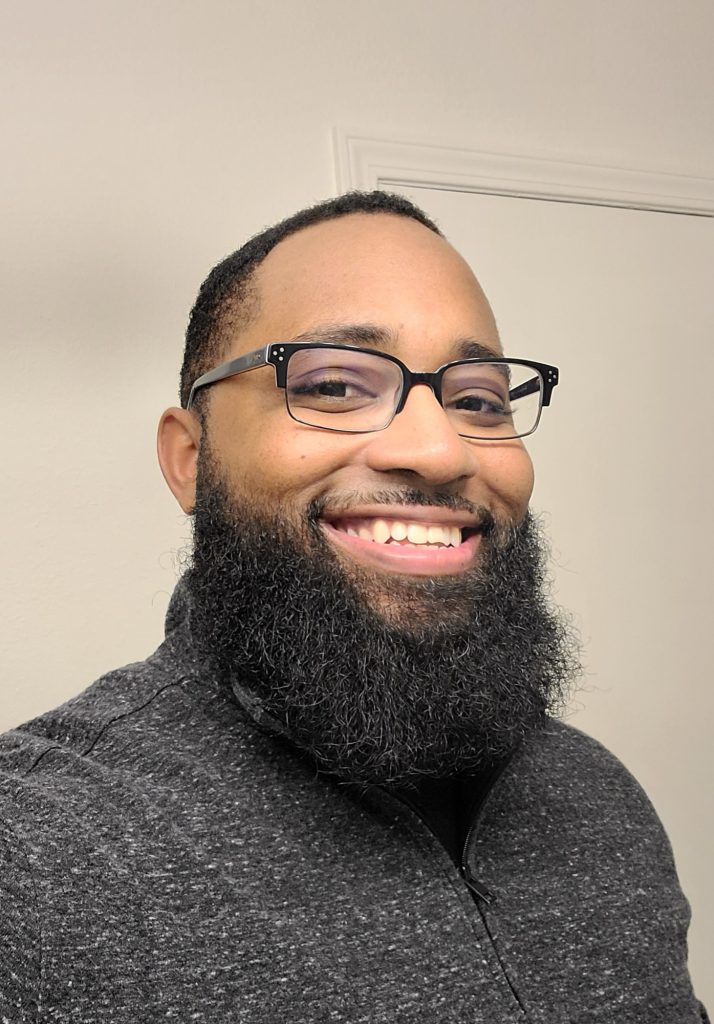
Clinical therapist Mark Viel thinks anyone hesitant to engage in therapy “should just try it, and if you don’t like it, you know you can say at least you tried.” He thinks most would benefit from counseling, based on his work with patients at The Synergy Health Center in Michigan. “People are suffering from anxiety, dealing with economic stress and trying to handle traumas,” he says. He thinks more people are willing to seek help. “A big part of that change is technology and social media and being able to share their stories,” he says. Black women are more open-minded about therapy, but their “male counterparts still struggle to avoid being labeled as crazy or needing assistance.” Another obstacle, according to Viel, is many institutions are old and Western-focused and haven’t really modernized. That’s why many minorities feel uncomfortable in those places. I feel like they can’t be themselves. But we’re working to change that.”
Alfonso Ferguson
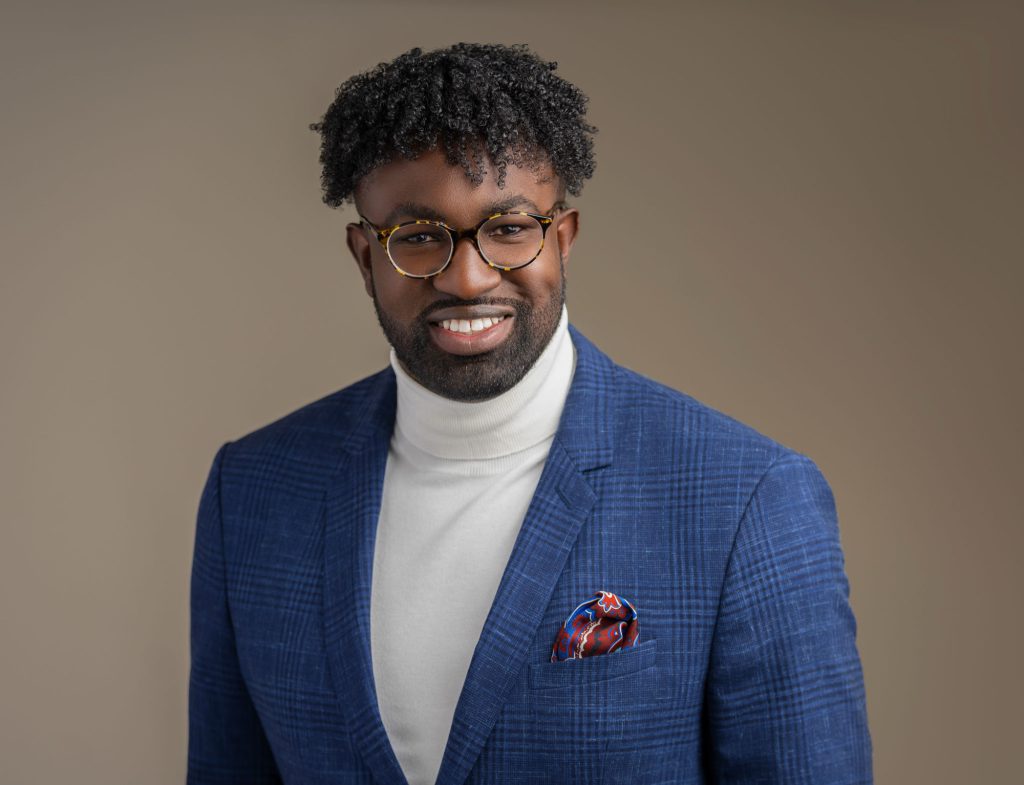
Alfonso Ferguson had an important epiphany during his senior year at the University of South Florida. “It wasn’t until my very last class in my very last semester of undergrad that I took a counseling course and fell in love, and it was really life-changing.” This realization led Ferguson to become a licensed professional counselor and complete his doctoral degree in philosophy of counseling at Montclair State University. Because of his Afro-Caribbean background, he says it’s important to “talk through issues from a culturally responsive lens.” Equally important is asking, “How do we create spaces for Black families to have these conversations without feeling judged?” In his private practice in New York, Ferguson counsels queer BIPOC individuals and says it’s especially important to consider intersecting identities. “For me, it’s important to create an environment where they are heard, understood and validated.”
First published in Black Mental Health Today, Spring 2023 (Vol. 7).