
Since the 1930s, a confluence of race-based policies and lending protocols have created longstanding barriers for Black Americans to buying homes. One of the first policies, redlining, effectively barred Black families from accessing homeownership – the primary way Americans build upward mobility and wealth. The legacy of redlining continues to impact access to housing and homeownership.

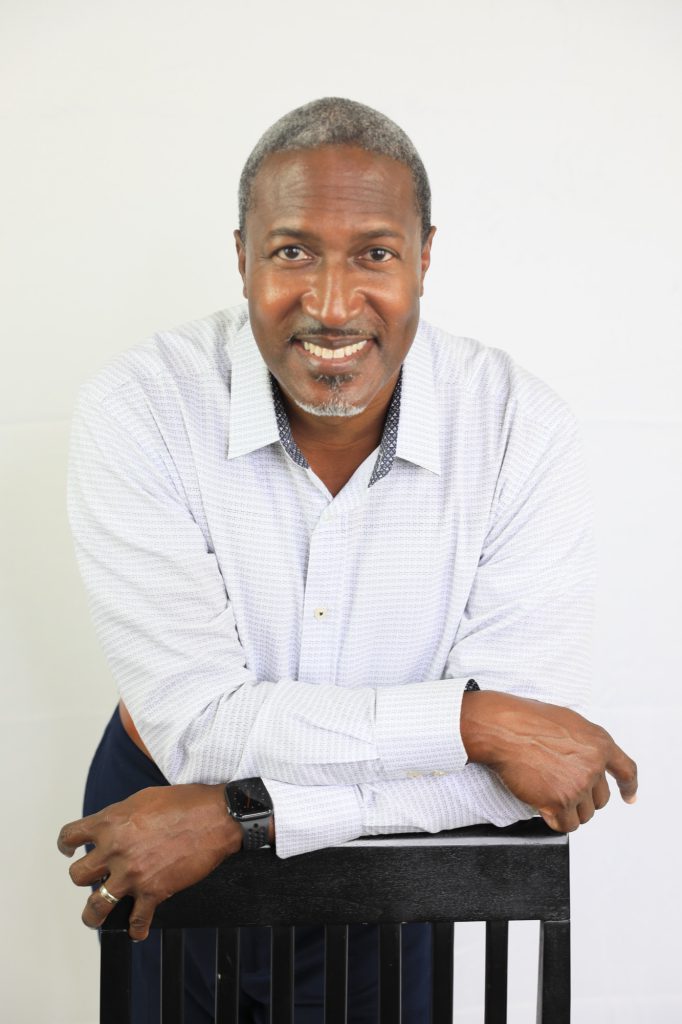
As of 2020, just 43.4% of Black Americans owned their homes. That's nearly 30% less than that of Whites, of whom 72.1% are homeowners. The wealth gap that redlining and other exclusionary, race-based policies have created is also visible in the rates of homelessness among Black people. For those who rent their homes, rising prices and stagnant wages have bolstered housing precarity and put more pressure on household budgets. Yet there's another impact that barriers to homeownership can have—one that can't be measured in market value or mortgage rates. Instead, it's the stress, anxiety and overall harm to mental and emotional and even physical health that these barriers can create. Housing's role in mental health"Housing is this foundation for our well-being, for our ability to take care of ourselves or get a job," says Danya Keene, associate professor of social behavioral sciences at the Yale School of Public Health. "We think of all those things that lead to housing, but you can't get anywhere if you don't have a roof over your head."Keene researches how discriminatory housing and urban policies have inhibited housing access for non-white Americans and, in turn, impact health equity. In her work, she's seen myriad ways race-based policies and health intersect."You have this confluence of racist policies that have created barriers to homeownership," says Keene. "Those barriers can be exacerbated by health vulnerabilities that are themselves the result of exposure to racism. When you're sick, you can't pay your mortgage and that contributes to housing precarity."That precarity isn't just for people who may have homes but struggle to meet their mortgages. It also impacts people who rent, and perhaps can't access homeownership at all. "We've talked to a lot of renters who are just paying huge portions of their income on rent, and they're just one teeny emergency away from falling behind and facing eviction," says Keene. "There's so much anxiety that surrounds it. People don't sleep and they aren't able to take care of their other health needs. It interferes with their parenting. With their diet." And for some, she adds, it interferes with taking care of existing medical needs, like diabetes."It's not just because they can't afford the medication or they don't have a kitchen or they can't buy fruits and vegetables, but also it's bandwidth. They're so emotionally consumed by the need to find housing or the need to pay for their housing, or the fact that they might lose their housing, that they don't have any emotional energy left to devote to their diabetes management." In that way, says Keene, stressors around housing can compound other problems, and, arguably, create more stress. Breaking down barriers to homeownership It's for those reasons, in part, that in 2022 Nathan Summers founded Summers Home Group, within Florida Homes Realty and Mortgage. Growing up, he didn't see many Black homeowners. He was raised by a single mother and didn't realize he could live in a home of his own. It wasn't until he left home for college that he began to see families who did."I didn't realize how much homeownership meant the ability to grow wealth," he says. "I could tap into my equity. I could be in a home that's safe, behind a gate. Or I could have police protection – people riding by just to make sure that we're safe. There's just so much value and access that I didn't really know (about) until I actually got into the (real estate) business."Starting his own realty practice, says Summers, is one way he's trying to help break down some of the barriers he's seen. "I wanted to be able to bring other African Americans and people like me to where they can also see their wealth grow through real estate," he says.
As Summers continued to work as a Realtor, he also began to see the ways longstanding barriers to homeownership created stress for Black would-be buyers. Not only in practice, but in messaging. One client of his, for example, was worried about having her credit pulled for her mortgage application. "They have a lot of questions and anxiety around even the credit because they hear the discrimination that is in home buying," says Summers. "You hear about the discrimination when it comes to appraisals of homes."Another layer of anxiety, says Summers, can exist when a buyer is the first in their family to purchase their own home. Because of the historical exclusion of Blacks from homeownership, there's often less knowledge about the process or a tradition of saving for a down payment. Finally, he says, the massive jump in rent prices nationwide have also hampered would-be buyers' ability to save. "When you look at data, you can see why there is such a difficulty when it comes to communicating this situation with homeownership (and Black Americans), because there are so many levels," says Summers. Reports like the 2022 National Association of Realtors research regarding the racial gap in homeownership, he says, are "alarming."The way forward For Summers, the way forward is twofold: Bring more Black people into the real estate field – in lending and banking – and educate more Black people about real estate. He hosts lunch-and-learn sessions with mortgage lenders, community members and developers to help inform people about everything from business and infrastructure plans to gentrification. Town halls, he says, are another great way to take ownership of one's community. He sees his role as educating himself so he can educate others."I want to bring more African Americans into the space on the mortgage lending side, because that's how (we improve) equality and equity and bring our own communities back up."For Keene, systemic problems require systemic solutions. It will take a confluence of policy changes, reparations and new ways to fund rental assistance or homeownership support, she says, to alleviate housing-related stress."I don't think we can address the mental health costs of this lack of housing without fixing the housing," she says. "We have to get at the root cause."
First published in Black Mental Health Today, Spring 2023 (Vol. 7).