Four professionals whose work is shaping Black mental health.
Curtis D. Jasper
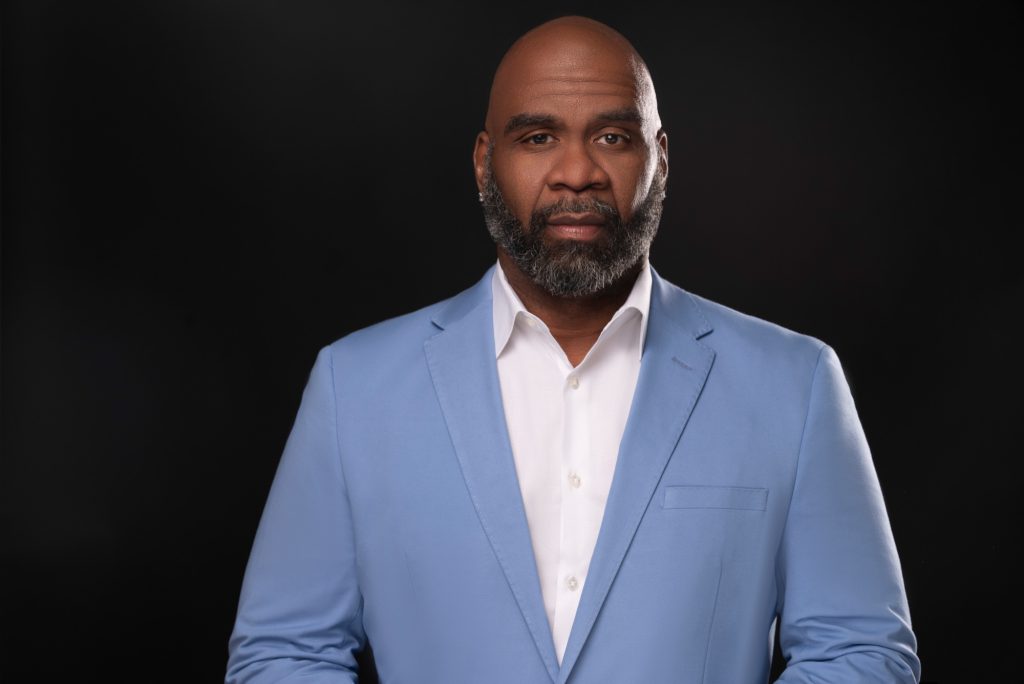
Curtis D. Jasper’s mother suggested that he speak to a therapist about his emotions in his teenage years. This led to therapy with his mom, dad and siblings. “This brought us clarity and gave us tools to put things in place as a family,” he says. Jasper didn’t immediately enter the mental health field after college but started teaching in the Chicago public schools in his twenties. The death of his parents, a failed marriage and a brief stint in jail pushed him to consider therapy again. “I had quit life and a friend challenged me to seek therapy,” says, who lives in Atlanta. A middle-aged white therapist asked him – “Have you ever thought of becoming a mental health professional?” The therapist convinced Jasper that to heal himself he should “become a Black therapist and help other Black men out,” he says. He took that advice and has worked as a therapist for the last 15 years.
Ameena Kemavor
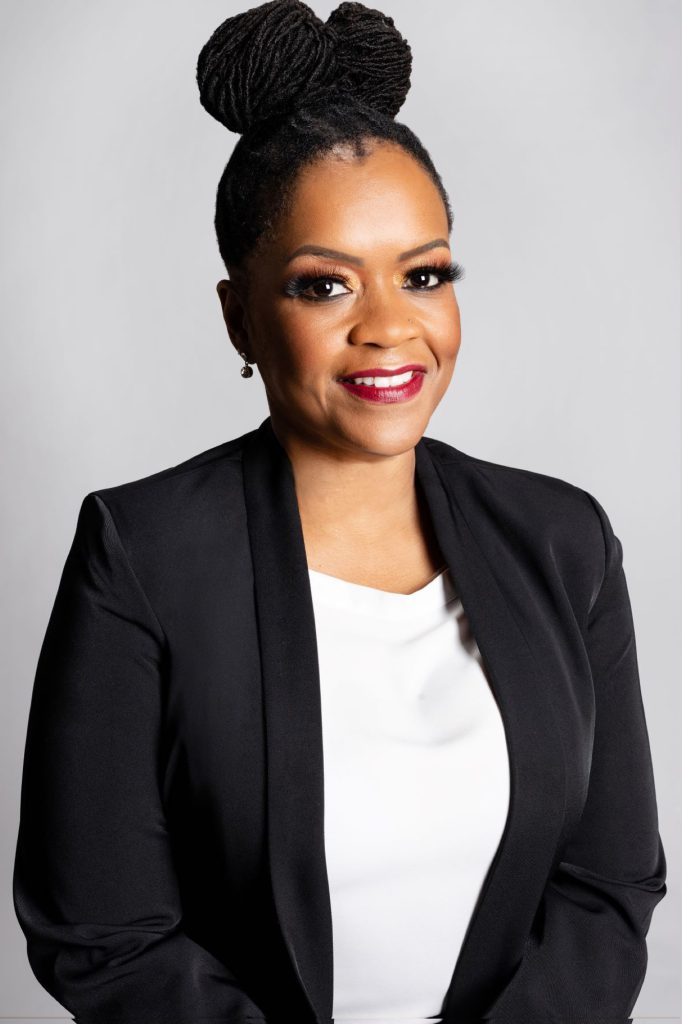
Ameena Kemavor who holds a doctorate in counselor education and supervision from Ohio State University, believes embracing the words “It’s OK not to be OK,” is one way to find healing. “If you’re listening to someone who looks and sounds like you. . . and they are bold enough to speak about the challenges of their emotional health, this could be what unlocks the healing for another person that may be listening,” she says. In her current role as vice president of the Alcohol, Drug and Mental Health Board of Franklin County in Columbus, Ohio, she works with Black youths and is encouraged to see many of them are resilient and open to articulating their emotions. What she’s learned about access to care is that when someone feels overwhelmed, they can talk to a parent, friend or colleague, especially when a session with a therapist isn’t for several months. To move forward, she says, “Start thinking about who else you can talk to, consider group counseling or other avenues.”
Broderick Sawyer
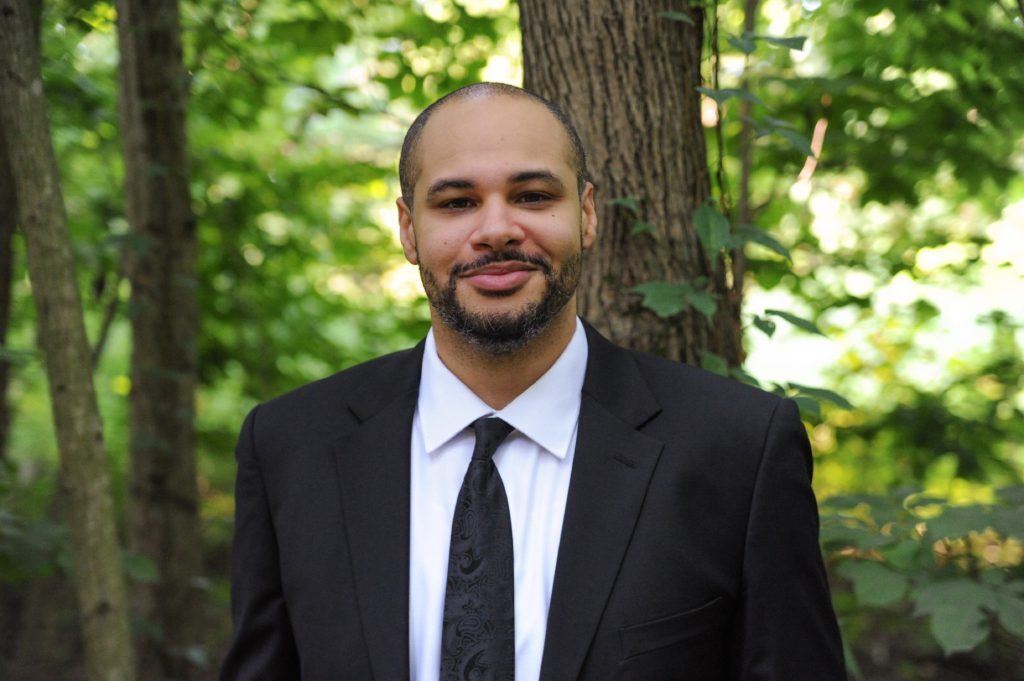
Clinical psychologist and meditation teacher Broderick Sawyer thinks people of color “should not get fixated on Western methods of healing, psychotherapy or big pharma.” When he was first introduced to meditation, it was presented as something new, but after doing research, he realized it was more than 4,000 years old. “I want people to explore healing methods of their own and not get gaslit by Western methods of healing.” He’s explored teachings from Buddhism and Hinduism in his practice in Louisville, Kentucky, and online. Sawyer says spirituality is now a staple that brings him a sense of play and peace. As a practitioner, he encourages clients to conduct energy audits. “I typically encourage my clients to ask, ‘What am I consuming? And what kind of effect is this having on my mental health?’” Having this daily practice can be a helpful tool in having a more informed discussion with yourself and others.
Norma L. Day-Vines
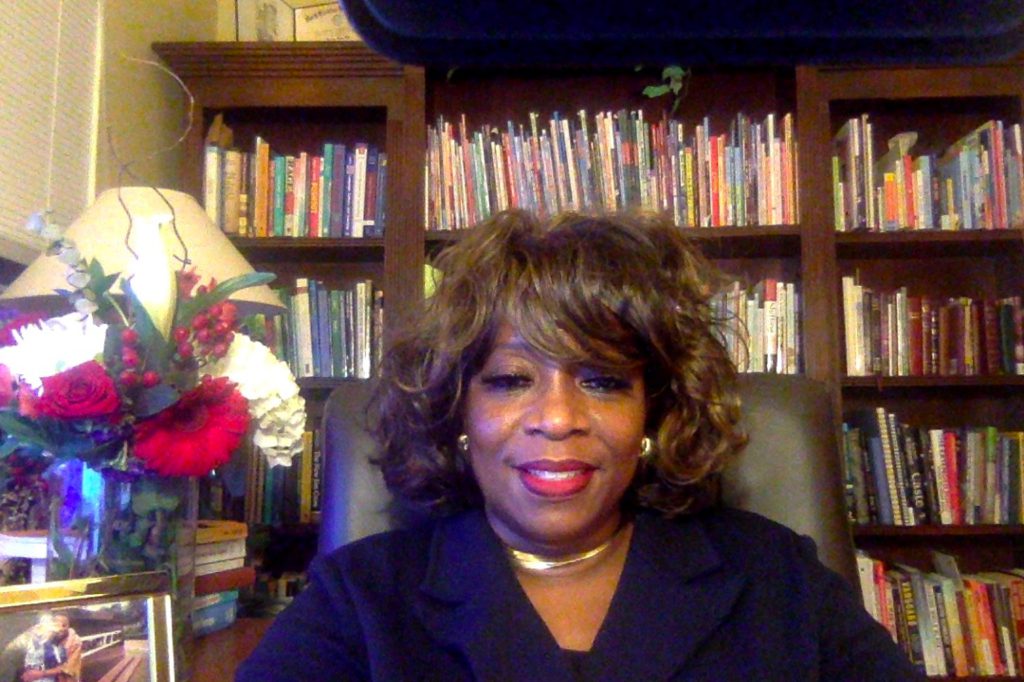
Norma L. Day-Vines Most people will be surprised to learn that Johns Hopkins Associate Dean for Diversity and Faculty and Development Norma L. Day-Vines is an introvert. “I’ve learned to be social,” Day-Vines says, but alone time allows people to “reflect on what and who matters to them.” Despite her introversion, she’s focused on serving the community. Day-Vines attributes her inclination to community service to her childhood. Her father was the executive director of the YMCA and her mother was a teacher. “My parents raised me to always be involved in service,” she says. With a teaching career that spans 26 years, Day-Vines, who’s based in Maryland, “focuses on strategies working with more culturally and linguistically diverse clients.” She believes we talk about depression, anxiety, career development, failed relationships, illness, “but we don’t know how to talk about race and representation. It has been my goal to teach people how to have meaningful and substantive conversations about race,” she says.
First published in Black Mental Health Today, Summer 2023 (Vol. 8).