
How ethnicity impacts the effectiveness and outcomes of psychedelic-assisted psychotherapy
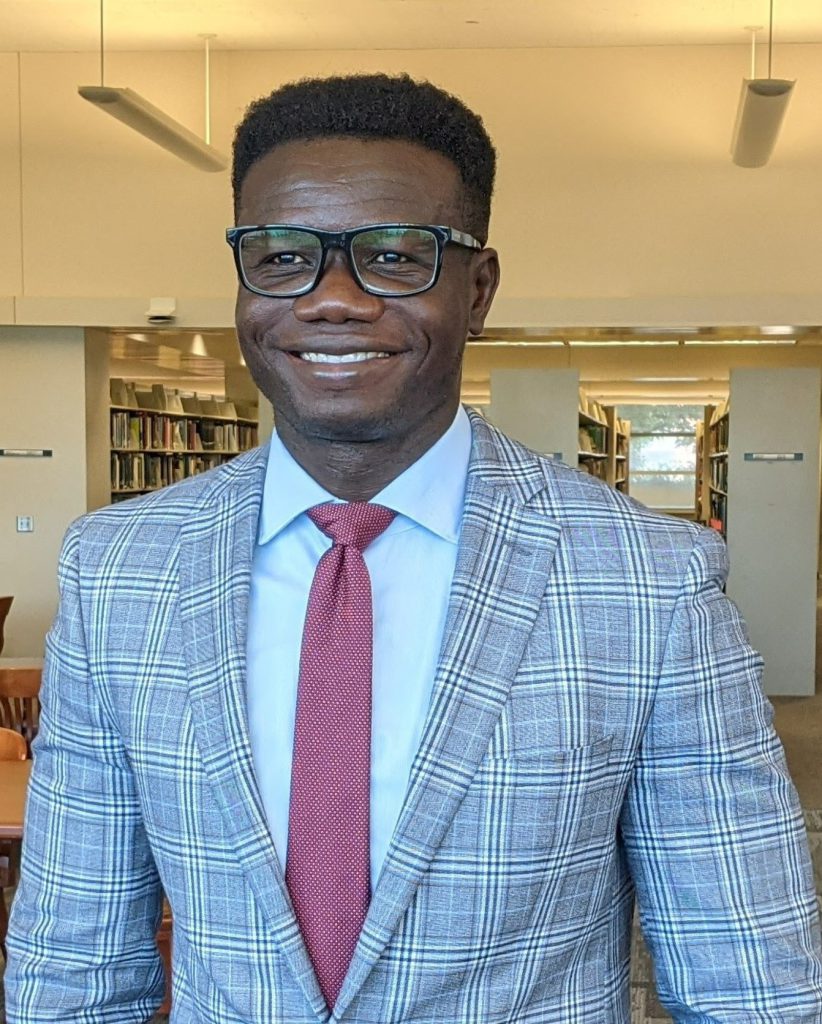
An individual's race is often overlooked when exploring the impact of psychotropic drugs on treating mental health disorders like anxiety and depression. But Ohio State University Assistant Professor Macarius Donneyong stresses there is a dire need "to investigate and to find out the gaps with respect to different racial groups" when evaluating the effectiveness of psychotropic drugs to treat different mental health diagnoses.
Recent research in the Journal of Parapsychology references the controversy surrounding race and ethnicity in terms of psychotropics, but researchers also state there are "ethnic differences in the clinical presentation, treatment, clinical response and outcome of mental illnesses." As the field of ethnopsychopharmacology evolves, so does the importance of understanding its nuances and their impact on how to provide effective treatment for people of color with a mental health diagnosis. Defining ethnopsychopharmacology The term "ethnopsychopharmacology," on first glance, can appear to have multiple meanings and may even come across as intimidating. However, Donneyong says, the concept is easy to explain. "It is just a term that we use to describe the research that investigates the racial and ethnic disparities in mental health, particularly with respect to access, utilization and adherence to medications that are used to treat certain conditions." The field strives to understand how medications impact individuals given the umbrella of a host of interactions of ethnicity, genes, culture and environment. Research in ethnopsychopharmacology is paramount, according to a 2021 research article published. "The failure to include Black, Indigenous, and People of Color (BIPOC) in psychedelic research trials neglects the ethnic, racial, and cultural factors that may impact individual responses to psychedelic-assisted psychotherapy and thereby prevents generalizability of findings." Gaps in treating ethnic populations and psychotropic response An important facet of ethnopsychopharmacology is understanding the gaps present when treating BIPOCs with psychotropic medications. If a clinically depressed individual seeks help from a mental health provider, the expectation is that the professional should begin treatment by prescribing antidepressants. "That's a typical guideline. However, we have seen a disparity that Black and Latina populations are less likely to receive a first line antidepressant compared to white people," Donneyong says. Since Black and BIPOC individuals are given second or third-line medications, they are not going to receive the full benefit of treatment, and often, Donneyong observes, these secondary therapies create a worse side effects profile. Overall, Donneyong notes, "There are gaps that are observed along the continuum. There are gaps in getting a diagnosis and then delays in the receipt of treatment," he says. And then even when a diagnosis of depression is made, there are again disparities because minorities are less likely to receive a first-line antidepressant. Social determinants interfering with psychotropic medication compliance The use and effectiveness of psychotropics cannot be evaluated through a single lens. Part of the reason for the ineffectiveness of psychotropics involves social determinants that factor into a patient's compliance with instructions from a health care provider."Culture is shared among a group of people. Evidence seems to be stronger among Asian populations where sometimes there's a preference for nontraditional medicine. Some will use herbs or spiritual intervention instead of taking antidepressants. Also, there's some evidence of this same trend among Black communities," Donneyong says. Other structural barriers contribute to the problem. According to Donneyong, some areas lack pharmacies. And even when there is access, medications are not in stock. "Pharmacies are closing and these are impacting low-income and Black populations," he says. Other hindrances for patients are lack of transportation to pharmacies and whether they can afford medications. Challenges in ethnopsychopharmacology

Part of the reason there is still ambiguity around ethnopsychopharmacology is the absence of studies. "Historically, cohort studies have centered around non-Hispanic whites of European descent," says Dr. Ulrick Vieux, a board-certified psychiatrist with Hackensack Meridian Health in New Jersey and member of the Black Psychiatrists of America. "In an increasingly diverse world this can be a disservice to non-whites. Donneyong agrees with Vieux's assessment. "Our studies tend to try to include all races and ethnicities. By the nature of the demographics in the United States, sometimes we end up with low counts for Asian and Alaskan Natives and other minorities as compared to, say Black and Hispanic. We lump the other racial groups into one because of the lack of sample sizes," he says. In other words, it's difficult to get an accurate picture of the data being collected since the pool of who is being evaluated is not adequately represented. In addition, some of the challenges also arise from provider care and evaluating adherence. Donneyong points out, "Providers don't often engage with patients to know if they're taking medication or how well they are complying with instructions." It isn't always possible to gauge true adherence, so it may cause unreliability in terms of the effectiveness of the psychotropic." Future of ethnopsychopharmacology There is a keen interest in looking at race in psychotropic medications, but there are challenges in creating the right parameters for further studies. In the meantime, Vieux advises fellow physicians to treat patients with compassion. "Empathy is especially required when working with the Black community. Perceived bias can adversely affect the compliance that patients will have with treatment. It is vital to form a therapeutic alliance with your patients."

First published in Black Mental Health Today, Summer 2023 (Vol. 8).