
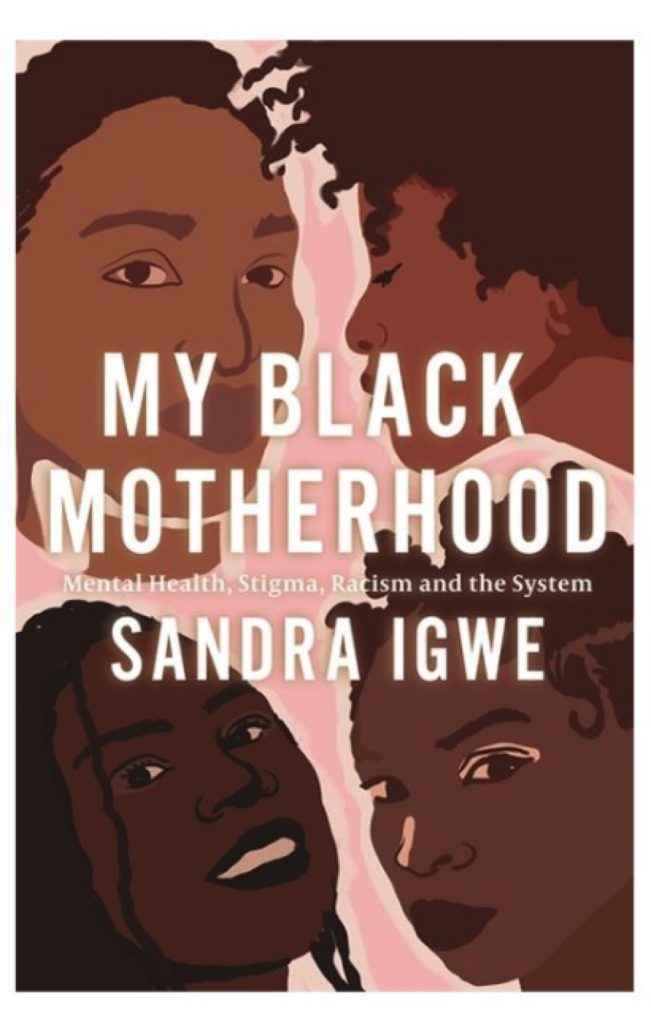
Sandra Igwe, the author of “My Black Motherhood,” is also a wife, mother and advocate for maternity issues specifically relating to Black women.
In her book, she discloses her motherhood journey and the horrific ways – ascribed to race – that she was treated. Igwe describes in detail the unpopular but all too common emotional responses to the stresses, hormonal imbalances and societal pressures of life as a new mom. She presents quantitative and qualitative data that supports how the health care field has failed an entire ethnic group. Igwe, a Nigerian who has resided in south London her entire life, founded The Motherhood Group, an online platform where Black mothers in the United Kingdom are provided a safe space, and offered support and other resources like connections to doulas or counseling services. Igwe shares how her medical team was dismissive to the pain she communicated when nearing delivery. In addition, there was the insensitivity, frustration and fear associated with being referred to social services because her white midwife made an erroneous case of abuse without any investigation or concern for Igwe’s personal safety. Igwe also filed a lawsuit against her daughter’s medical providers, which says their failure to perform their duties efficiently led to preventable complications. Her distrust of the health care system is understandably earned, and it is a sufficient springboard for her passion to help others avoid similar experiences. Peppered throughout the book are poems and short stories that underscore the writer’s beliefs about the disparities, barriers, lack of resources and expectations that impact the pre- and postnatal experiences of Black moms. Those variables, along with feelings of rejection, being isolated from loved ones and the lack of trust in health care professionals are among the common themes in the book. One of the issues mentioned focuses on the impact of mental health and maternity mortality rates. This is an area that is gaining increased awareness due in part to the influence of social media, legal proceedings and documentaries like Hulu’s “Aftershock.” Oftentimes, clients need to recognize they are not alone. This is one of the advantages of group work as well as this book, whose anecdotal tales of women and the author’s stories invoke a sense of relief and sadness because of the shared experience. If nothign else, this book’s call to action for resources that may not exist for Black clinicians’ clients, family, friends and even themselves is to create them. Igwe lacked the support, information and all the benefits of community during her pregnancies, birthing and postpartum phases of her life, and out of her necessity she birthed a platform for women to receive the support needed. The reality is that people of color lack equity in the health care system from intake and triage to treatment and aftercare practices. Instead of focusing on injustice, it may be we need to take a page from Igwe’s life and create something that fills the gap.
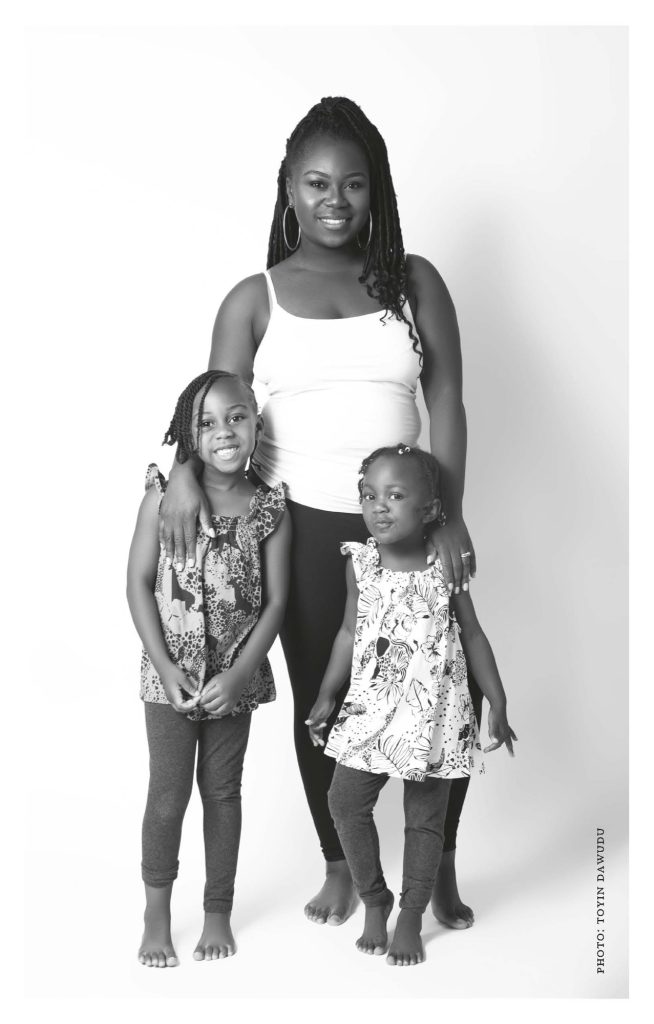
First published in Black Mental Health Today, Fall 2022 (Vol. 5).