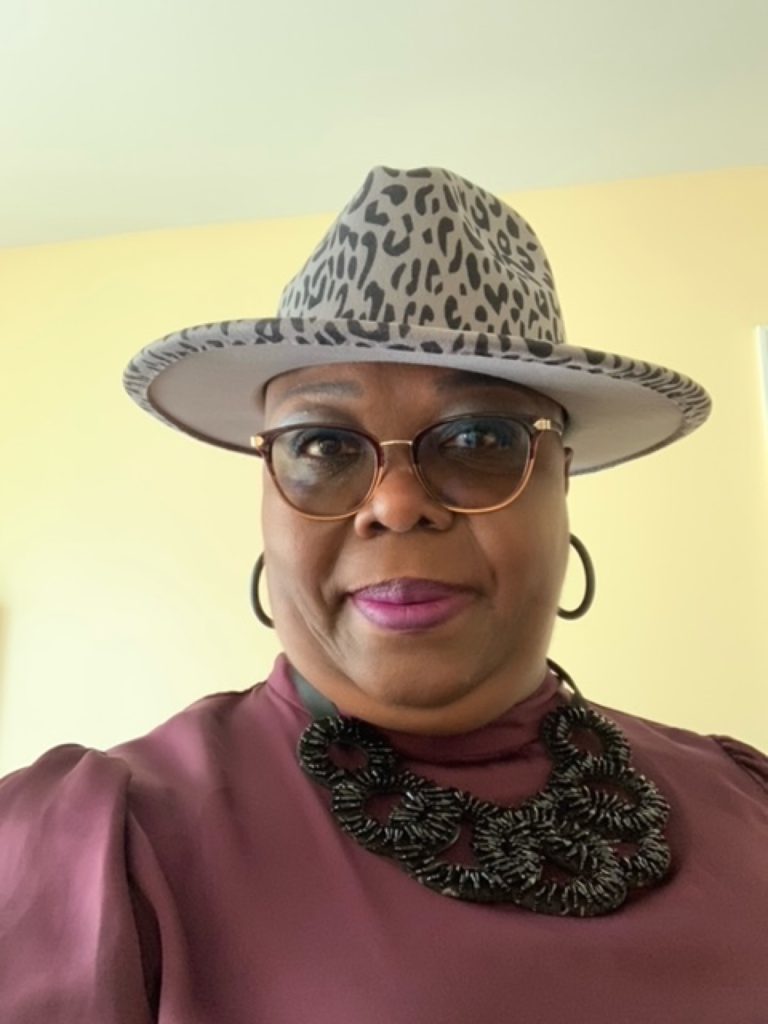
Victims of domestic violence are all too familiar with the trajectory of abuse in their personal relationships. They live with what the National Domestic Violence Hotline refers to as “escalation,” when the abuse worsens significantly. And though the mistreatment can be sudden, it often evolves over months and years. Family members can be unaware their loved ones are being abused until it is finally disclosed or, even worse, the violence results in a fatality. “How could she let that happen?” they might inquire. Or, “How did he allow a woman to beat on him?” While victims of domestic violence also question themselves, it is important to know these questions are stigmatizing and serve as barriers to seeking help. Mental health professional Alicia Harris, who lives in Columbia, South Carolina, is a 20-year survivor of domestic violence who now advocates for others. She was the keynote speaker at the 2021 Silent Witness Domestic Violence ceremony in Columbia, and her other advocacy efforts include working as a counselor at a domestic violence shelter. Harris’ three-year domestic violence ordeal began when she was a 17-year-old single mother manipulated by a “groomer.” His intent was to become the sole person Harris desired and needed. Harris said the groomer’s control left her emotionally and financially dependent upon him. By the time the physical abuse began, Harris recounts, she was too exhausted from continuous cycles of psychological abuse to fight back. The groomer slowly isolated Harris from her family and demolished her self-esteem, self-confidence and self-worth. She said she was left feeling ashamed, embarrassed and that she was a disappointment to her family. Her life finally began to change when a concerned coworker asked if she was being abused. Black Mental Health Today’s efforts to determine the prevalence of domestic violence among Black mental health professionals yielded little information. However, the National Coalition Against Domestic Violence noted in 2020 the prevalence of such abuse among Black people:
45% of Black women and 40% of Black men experienced sexual violence and/or stalking.
41% of Black women and 36% of Black men experienced physical violence.
54% of Black women and 56% of Black men experienced psychological aggression.
A 2020 report titled “‘I’m Black, I’m Strong and I Need Help’: Toxic Black Femininity and Intimate Partner Violence” discussed a particular hindrance to seeking help that many Black women deal with: attempting to embody the “strong Black woman” stereotype, which reinforces a Black woman’s responsibility for the well-being of others over her needs. As for Black mental health professionals who avoid seeking help, Harris says there’s concern about tarnishing their professional image or appearing weak. Harris identified another barrier to seeking help. She says church leaders “often use Scripture to manipulate (a woman) into submission.” For example, clergy will offer a snippet of Scripture such as “Submit to your husband” as a rationale for advising a woman to remain in an abusive environment. Harris notes that “Black professionals are human beings who aren’t immune to violence” and need access to people they can trust and describe their experiences without shame or ridicule. “Everyone knows someone who has experienced domestic violence,” says Harris. “They may not know their story, but that person is closer than people think.” Donita Holmes is a licensed, independent social worker-clinical practice, with 20-plus years of clinical experience. She earned a doctorate in I/O psychology, with a specialization in organizational psychology.
First published in Black Mental Health Today, Winter 2021 (No. 2).