In 2021, The Sentencing Project, a Washington, D.C.-based research and advocacy group, released a report titled "The Color of Justice: Racial and Ethnic Disparity in State Prisons."
Among its findings:
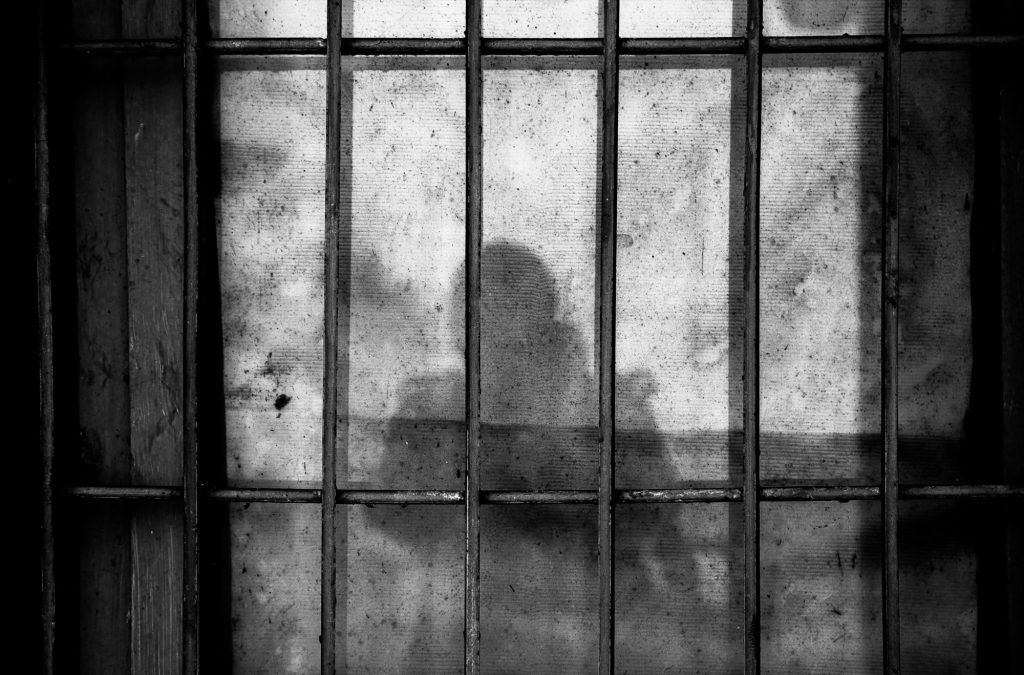
Black Americans are incarcerated in state prisons at nearly five times the rate of white Americans.
In 12 states, more than half the prison population is Black: Alabama, Delaware, Georgia, Illinois, Louisiana, Maryland, Michigan, Mississippi, New Jersey, North Carolina, South Carolina and Virginia.
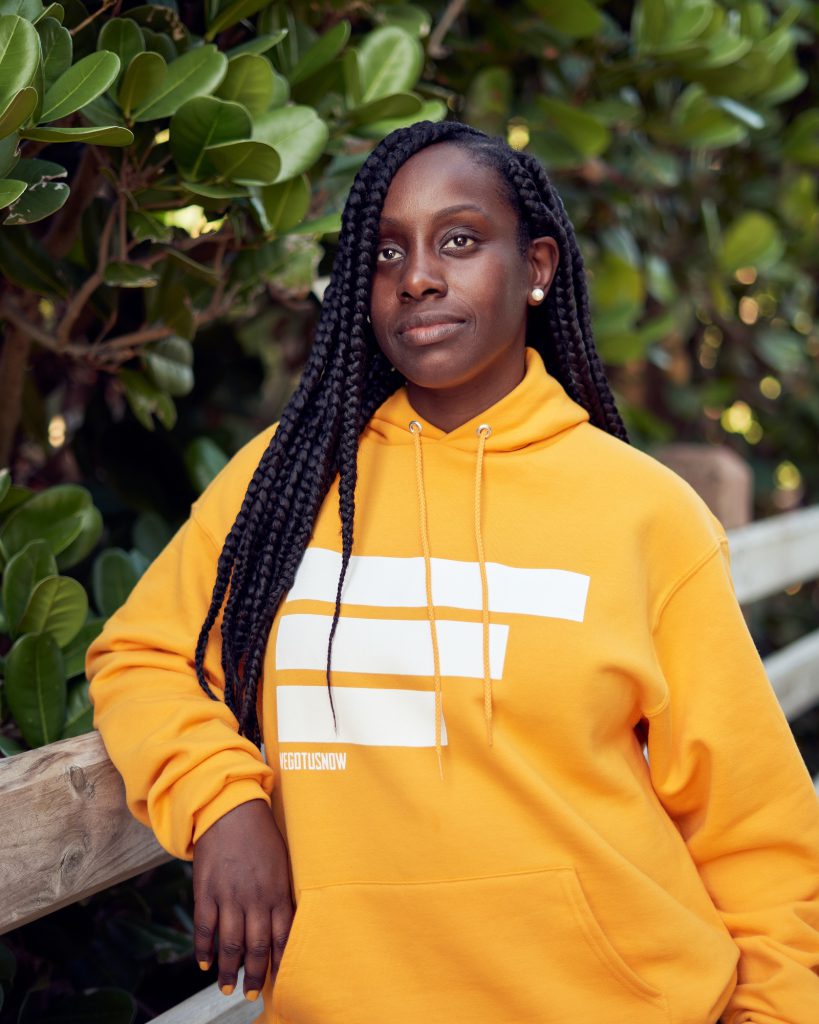
While these are certainly dark figures, the depressing statistics only scratch the surface. Behind the numbers lie the stories of incarceration's effects on the families left to cope. When a loved one is jailed or imprisoned, partners and children can feel isolated, abandoned, angry and bitter, plus a kaleidoscope of other emotions, according to Milicia Tedder, assistant professor of psychology at North Carolina Central University in Durham."(For children), it's reminiscent of an environment where people don't care. It feels unsafe. They feel neglected. It affects (their) mood, (their) physical health," she said in a recent interview with Black Mental Health Today. What's more, help and treatment options for the incarcerated and their loved ones are limited, at best. Mental health professionals say more support and counseling options are needed and should be offered to prisoners and their families."We've seen some wins (such as allowing prisoners to have therapeutic video calls with families), but there's more to do," says Tedder, who specializes in trauma and PTSD.Ebony Underwood, whose father was incarcerated for more than 30 years, founded and runs a national nonprofit advocacy organization called We Got Us Now, which amplifies issues affecting children and young adults with incarcerated parents."I would like to see programs across all 50 states that actively engage in and support the well-being of children and young adults with incarcerated parents and their families," she says. How did we get here? The need for more support is not new. Mental health professionals have studied mass incarceration and its impact on Black people for years. While painting a bleak picture of the correctional system's present and future states in its report, The Sentencing Project also traced some of the ugly and disturbing history to institutional racism. "It is clear that the outcome of mass incarceration today has not occurred by happenstance but has been designed through policies created by a dominant white culture that insists on suppression of others," the report said.
The Sentencing Project advocates for effective and humane responses to crime that minimize imprisonment and criminalization of youth and adults. "Going to prison is a major life-altering event that creates obstacles to building stable lives in the community, such as gaining employment and finding stable and safe housing after release," the group notes in its 2021 report. Imprisonment also reduces lifetime earnings and negatively affects life outcomes among children of incarcerated parents."While the organization only touches on the residual effects of incarceration on families, mental health professionals have amassed a wealth of information to prove the negative effects. When family connections are lost Marcus Shaw, an assistant professor of criminology at California State University, Fresno, has studied the effects of parental incarceration extensively and had two research studies on parental incarceration published in top academic journals, according to an article on Fresno State's website. Interviewing 31 children (now adults) of incarcerated parents over the span of three years, he found that children suffer from financial and emotional strain, residential instability and the "transference of stigma," the idea that the child is judged for the parent's incarceration. Shaw also found that some children of incarcerated parents were even denied employment because of the parent's criminal record. Transference stigma isn't the only problem children face, Tedder says. Missing a parent at home could lead to children misbehaving a school, anxiety, depression, isolation and fear. Many children even face the possibility of foster care. Profound grief others don't understand"Then, there's grief, which is not often discussed," Tedder says. "(Children) may feel like they're by themselves – not knowing how to make sense of everything." She adds: "Imagine, you're there with your primary caretaker, and all of the sudden they're incarcerated. "It disrupts your routine. This person who took care of you, fed you, is no longer there."Children may wonder if their caregiver will leave, too, and they may blame themselves for the adults' departure, Tedder explains. The grief that hits children feels, to them, almost like the incarcerated parent has died, she says. But society does not perceive incarceration as a form of death. Public judgment of the incarcerated can be harsh. To a child, it may seem no one cares about the parent they're missing. More needs to be done Children often need therapy. Unfortunately, for distressed families, there's very little support. Tedder encourages parents to seek out community groups for support for themselves and their children.
"Even if there's no child involved, I think it's still important to seek support because there's a change in the family dynamic," Tedder says. "It's still a loss."Adds Underwood: "Millions of families across the U.S. have been devastated by the impacts of incarceration. Finding a support group, getting a therapist and journaling are some great ways to personally begin to do self-care … ."We Got Us Now's flagship Actionist Leadership Program trains, develops and equips children with the tools for advocacy, civic engagement and professional development. Participants share tools, tips and best practices with others to help eliminate the trauma, stigma and shame of parental incarceration. The harm of cutting families off The penal system is doing what it feels it can do, she adds. But true change requires more reform in public policy, prosecution and sentencing, as well as changes within the for-profit (private) prison system. Tedder also believes the system could do more to help families on the edge. If a prisoner commits an infraction, the first thing officials often do is prohibit contact with the family. Tedder says that's not the answer – and it needs to stop. It's a punitive measure that doesn't benefit the incarcerated person or their loved ones."The things that will help everyone cope, all those things are taken away," she says, adding the family connection is the glue that holds everything together, giving prisoners and their loved ones hope for tomorrow. Shirley Moore is a freelance writer and former newspaper reporter who now works in public relations in Charlotte, North Carolina.

First published in Black Mental Health Today, Winter 2023 (Vol. 6).