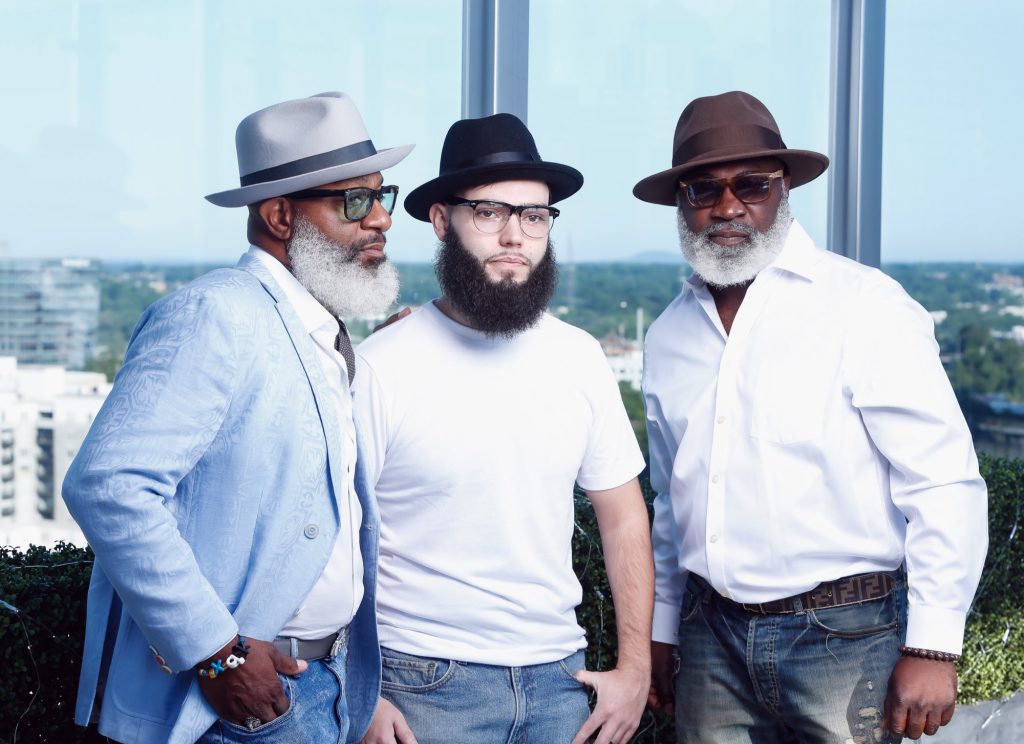
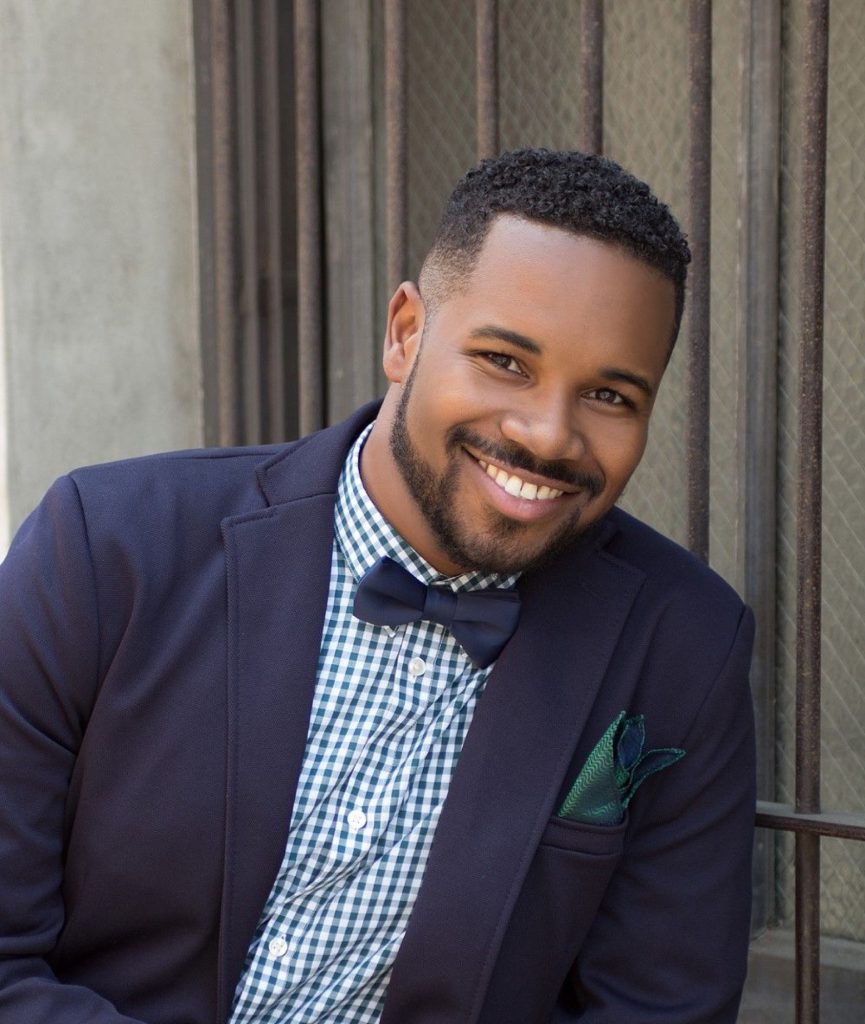
Safety, humanity and the concepts of strength. Multicultural awareness. Inclusion. Anti-oppressive practices. These are the words and phrases that come up multiple times during discussions about Black men and mental health, particularly in the wake of 2020, which was both a 100-year global phenomenon and a flood of constant truths. Out of the COVID-19 pandemic and its myriad fallout issues that complicated work and family life, and the videotaped and televised assaults against men of color, the awareness of the mental and emotional health of Black men came into sharper focus. According to the National Institute on Minority Health and Health Disparities, Black people are 20% more likely to have serious psychological distress than their white counterparts, and occurrences of depression are more disabling and resistant to treatment than those experienced by white people. But it wasn’t simply the events of 2020 that led to discussions about mental health, say three men who are experts in the areas of counseling – and in being Black men. There is a history, and it’s tied to multiple levels of disparities, fear, research that does not pertain to Black lives, classroom learnings, grief and misconceptions. “What I learned in my master’s program,” says Allen E. Lipscomb, a licensed clinical social worker, “was Black men were the least likely to get mental health services.”But Lipscomb, who has been in private practice for 10 years, says when clients started calling, almost all of them were Black men.

“One of the common things I saw was unresolved grief,” he says. “Grief such as a death they’d experienced, relocations, loss of community and connections, loss due to recognizing that as Black child or youth that you can’t do things like your white counterparts.”Lipscomb is also an associate professor and director of Online and Offsite MSW Programs at California State College, Northridge, as well as director of Minority Male Mentoring and the Student Success Allies programs. He earned his master’s in social work from the University of Southern California and his doctorate in psychology with a clinical emphasis in marriage, family and child psychotherapy from Ryokan College in Los Angeles“I looked at my (research) notes, and I realized I was dealing with the unique ways that Black men are experiencing grief and trauma.” That was 2012, the year that Trayvon Martin was killed, and as Lipscomb researched and wrote his dissertation on Black male grief, he realized his findings paralleled what we see in society. “But what I noticed was no one saw there was a need,” he says. They’d ask, ‘What do you mean, Black man grief?’ ” In his book, “Black Male Grief Reaction to Trauma: A Clinical Case Study of One Man’s Mental Health Treatment,” Lipscomb writes that bereavement among Black men in the U.S. is influenced by social and cultural world views. Slowly but steadily, awareness is growing, and along with it, the numbers of men seeking mental health counseling, says Reginald Cunningham of Washington, D.C. But meeting that demand remains limited, partly because of clinical awareness. Cunningham, who owns Counseling Solutions in D.C., earned his master of psychology from Coppin State University, and his doctorate in counseling from Argosy University in Atlanta. He placed six Black clinicians (out of the eight people employed in his practice) to attempt to meet the demand his practice sees. Nationally, about 4% of doctorate-level psychologists are Black, according to the American Psychological Association.
A huge hurdle to mental health counseling is in traditional classroom teaching and its application. The focus, says Rwenshaun Miller of Charlotte, North Carolina, is on textbook literature rather than the person or people who will eventually be in a room with a practitioner. Lipscomb concurs, saying most of the books he’s encountered had information about stigma, but nothing that said, “‘Black men are likely to suffer from this type of stress,’ and there was nothing that said, ‘Here are treatments.’”
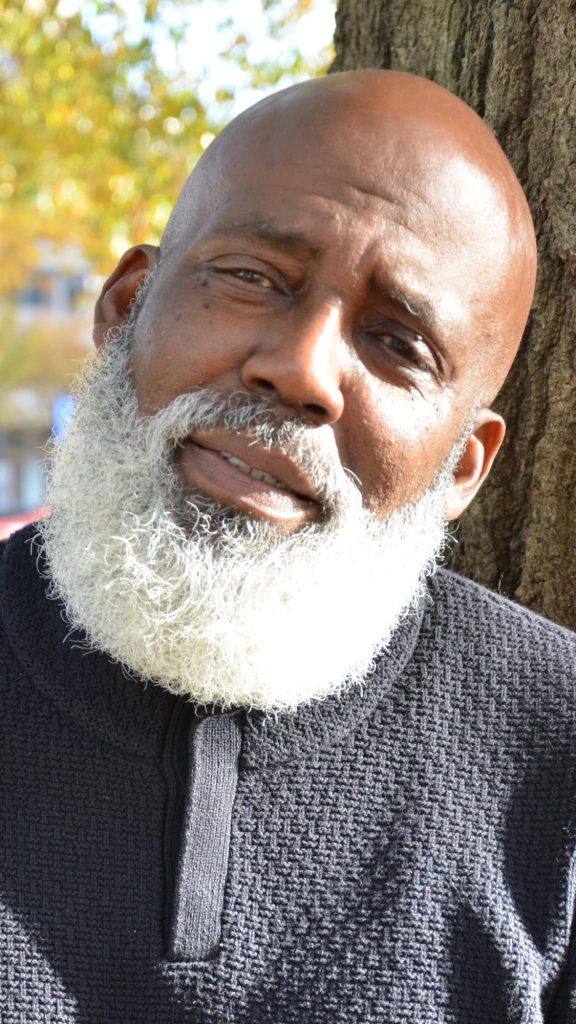
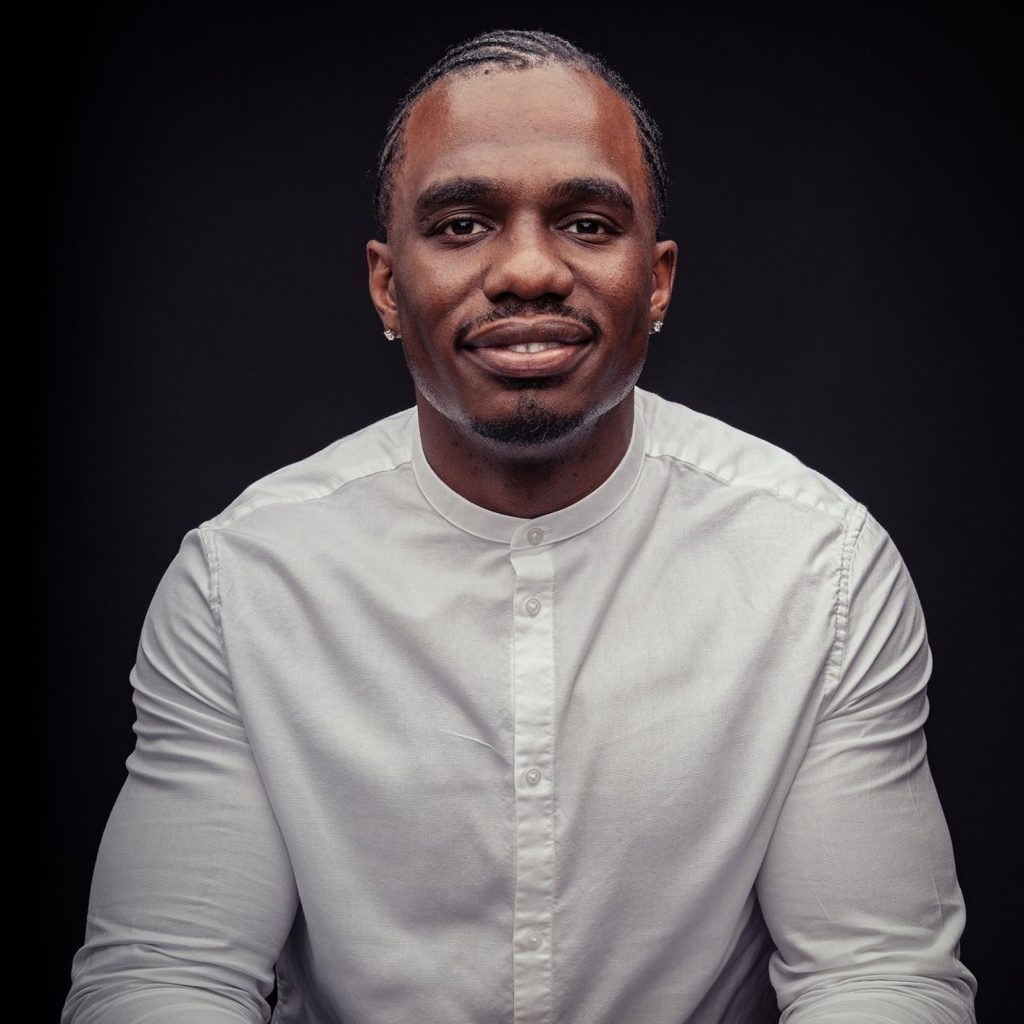
Miller, a licensed professional counselor, wrote “Injured Reserve: A Black Man’s Playbook to Manage Being Sidelined by Mental Illness.” The book reveals some of his battles with mental illness. Miller says after years of living with bipolar disorder, he thought normal life as a Black man meant quelling emotions and being “strong,” and he hears this from his clients. “And they say I’m strong … and I let them know they’re strong for coming to me to talk about their issues.”Making space for vulnerability “A safe space has to be provided for Black men to feel comfortable, to feel vulnerable, to expose themselves and get the help they desire,” Cunningham says. “Those who have rage are often enraged for good reasons. Thus, the goal of treatment is not to rid them of their rage but instead to help them be aware of it, gain control of it and ultimately to redirect it. In his practice, Lipscomb has developed the “BRUH” approach to therapy: bonding, recognition, understanding and healing. Lipscomb also recognizes the need for safety in the outside world. When Black men leave the therapists’ office, it’s back to a world that hasn’t changed, so Lipscomb provides a mental image for them. “When you ask (Black men), with the BRUH approach, how they feel, they have learned to say, ‘It’s OK,’” he says. “They’ve learned to keep it in, to hold it, to keep it pushing. It’s for their protection. It’s that cloak, that armor – they need that to exist in America.” When they’ve ended a session, he says, he gives them back that shield.“I tell them that, ‘First, I know this was not easy to share. I understand how you might want to be guarded, and not share what you’ve shared with me, and that’s OK. I recognize you need to protect yourself, and that’s important.’ ”With that,” he says, “I’ve given that armor back to them.” Dartinia Hull is a writer who is based in the South. She has been published in CNN, Next Avenue, The Bitter Southerner, iPondr, The Charlotte Observer, Age of Awareness, Noteworthy: The Journal Blog and MUTHA Magazine.
First published in Black Mental Health Today, Winter 2021 (No. 2).