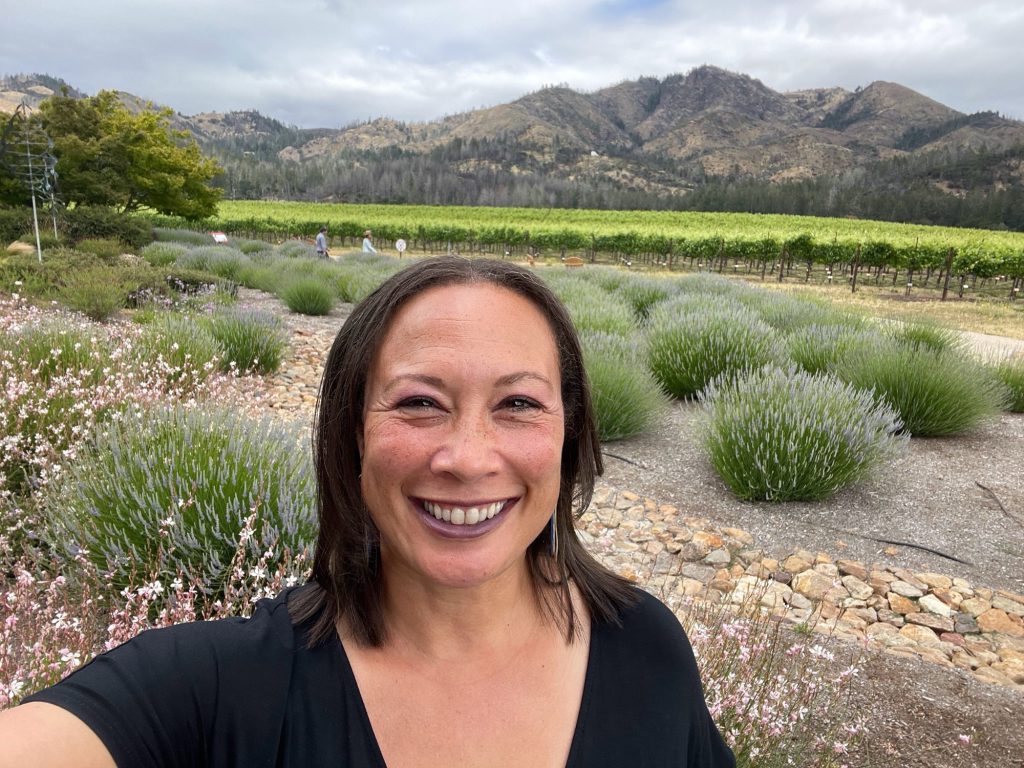
When he was 8 years old and hanging out with friends at a treehouse they built on an empty lot in their Chicago neighborhood, Che Calix recalled the first time someone referred to him as an animal. An older girl pointed to each person in their group, naming their race or ethnicity. When she got to Calix, she says, “You are a zebra.” She was referring to his parents. His mom was white and his dad was Black. “I remember being really upset about being compared to an animal,” says Calix. His biological father was not in his life, but his mother made sure Calix understood his heritage and gave him positive reinforcement about who he was. “Even though I was hearing those messages, that was not something that was instilling any pride in me at all,” he says. As an adolescent, he often felt uneasy in social situations when he didn’t know how people were going to respond to him. “A lot of that is tied to the fact that I hadn’t completely solidified my identity and figured out who I was,” he says. It would take many years, affirmation from Black friends and, ironically, attending a mostly white college to help him find space for his identity. “The way I identify myself is Black,” he said. “If someone asks if I am mixed, I am quick to acknowledge that I have a white mom, but my experience of walking through the world is completely different than the experience of a white person.”In his work as a school counselor, Calix has drawn heavily on his own experience developing his racial identity when dealing with students who feel insecure or don’t feel good about themselves. “It is easy for me to relate to them,” he says. On the whole, students today seem to be doing a better job defining themselves, he says. “I am sure they are still forming their racial identity, but they are able to articulate who they are in a way that I wasn’t until I was much older.” That’s likely because the 2020 Census revealed more Americans than ever before are claiming their biracial and multiracial identities. The population of Black or African Americans in combination with another race group grew by 88.7% from 2010 to 2020, according to the data. The population identifying as white in combination with Black or African American rose by 1.2 million people, a 67.4% increase over 2021. Those who identify as Black or African American and some other race (other than white) increased by 722,383 people for a change of 230% over the 2010 data. The increases are likely due to improvements in the way the census captures data related to race and ethnicity, allowing people to more accurately report how they self-identify. ‘Rejected on both ends’But while the numbers reflect the progress that has been made in defining racial identity statistically, data can’t capture the experiences of biracial and multiracial Americans as they navigate their identities in a world that insists on telling them who they are.
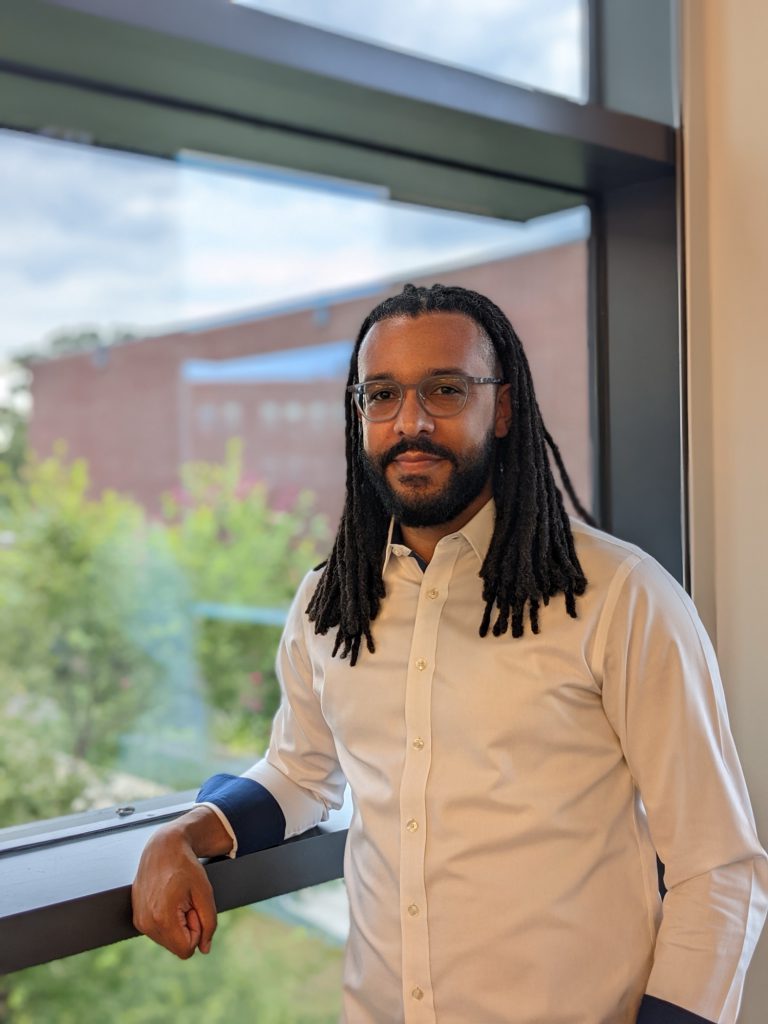
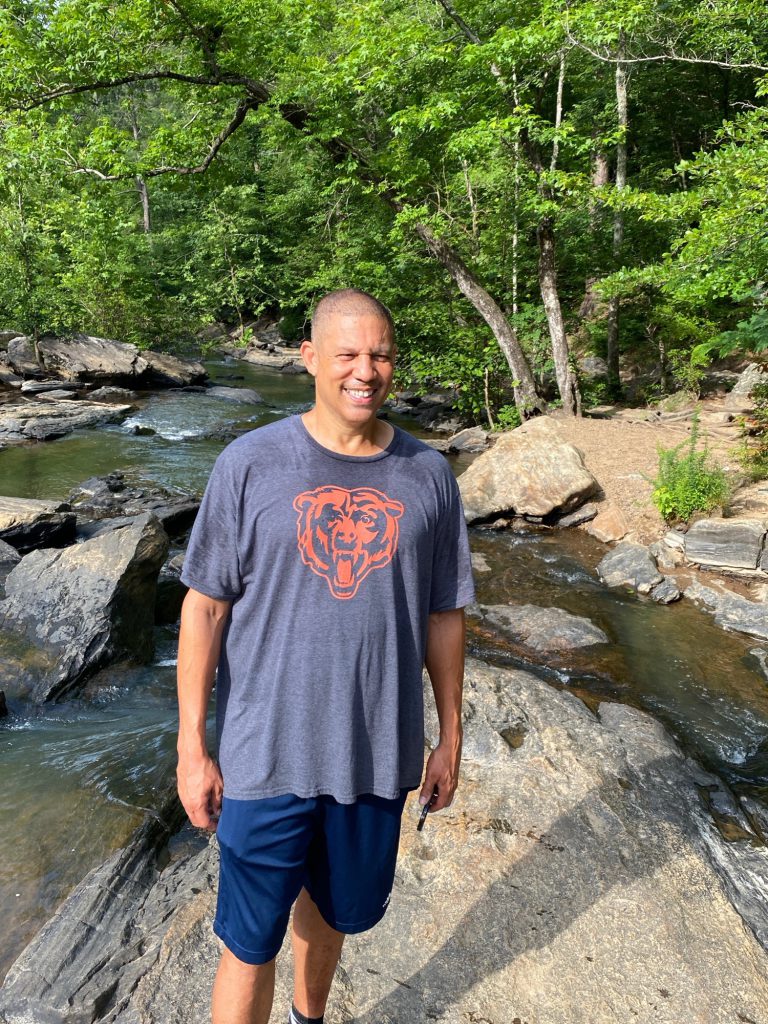
“Unless Black people are purely white looking, they tend to get coded as the other,” says Tyce Nadrich, licensed mental health counselor and professor of clinical mental counseling at Malloy College whose dissertation and continued work centers on the experiences of racially mixed people of color. It took Nadrich 32 of his 37 years to craft his identity as a biracial black man. “I am biracial, but blackness is central to my identity,” he says. Nadrich was raised by his Black mother who always taught him that he was Black, but what she didn’t teach him was that Black people wouldn’t always affirm his blackness. The message he often received from Black people was that he was not authentic enough to be Black even though blackness is all he knows. “There is this idea that I am not enough,” he says. “How do people find their social and interpersonal homes when they are often being rejected on both ends?”Identity conflicts and mental illness The constant negotiating and renegotiating of identity can impact one’s mental health, he adds. “We have a good amount of research on the role of healthy identity development. When people are not in an environment where they can develop a strong sense of self, we see symptoms of depression and anxiety,” Nadrich notes. People of two or more races are more likely to report a mental health illness in a given year, according to data from the Anxiety and Depression Association of America. The percentage of people with mental illness identifying as multiracial is 25%.Multiracial youths who must navigate school and peer relationships as they are still coming to understand their identity and going through puberty may be particularly at risk. At least one study has shown that compared to white students, mixed-race students have higher rates of poor mental health and fewer protective factors. Growing up in New York, Carisa Butler felt at home in a community where many children looked like her and were born to biracial unions with a white mother and a Black father. Her parents parted when she was 3 years old and she was raised with her mother’s side of the family. Losing her mother at age 13 made her hold on to that part of her identity even more fiercely, she says. As she moved into her teen and adult years, she viewed herself as biracial but there didn’t always seem to be space for that in the world. Insecurity creeped in to her social interactions, especially with boys. “I struggled with some feelings of, “Do I fit in?’ ‘If I like this person am I Black or white or biracial or ethnic enough or too much for them to like me back?’” she says. When she moved to the South, those feelings of judgment grew more intense. “I married a white man, I went to a white college and my oldest friends are predominantly white,” she says. Though she most strongly connected with her Italian ethnicity – the meatballs her maternal grandmother would offer when she arrived home from school or the lasagna her family ate for Christmas dinner – she never identified as white. “I could be black, mixed or biracial but never white,” she says. “I think people make assumptions about who I am, who I want to be and who I identify with.”
She is happy to now live in a community that is diverse, and she has a diverse group of friends with whom she can have deep conversations about identity. Finding a safe space to talk Our identities are a mix of internal and external messages, Nadrich says, and we should not assume that biracial and multiracial people, even as adults, would have it all figured out. One of the most important things to do is allow biracial and multiracial people to speak about their authenticity. Listening to those experiences in social situations where they are asked, What are you? Where are you from? presents an opportunity to broach the subject. We are at a place now where biracial and multiracial people have more access to people who have similar experiences. When they hear those stories, they learn it’s OK to talk about their own experience, he says. Those conversations may take place with a therapist, but they are equally likely to start with friends. Therapists should open the door by asking clients who identify as biracial or multiracial if that is a significant part of their lived experience they may want to address in therapy. Finding a safe space to talk and develop the language to describe their experiences is vital to their well-being. “It’s about connecting with others and hearing a common narrative, reading books and getting into therapy with someone who knows what they are doing,” Nadrich says.
First published in Black Mental Health Today, Spring 2023 (Vol. 7).