
Four professionals whose work is shaping Black mental health.
Kevin Cokley
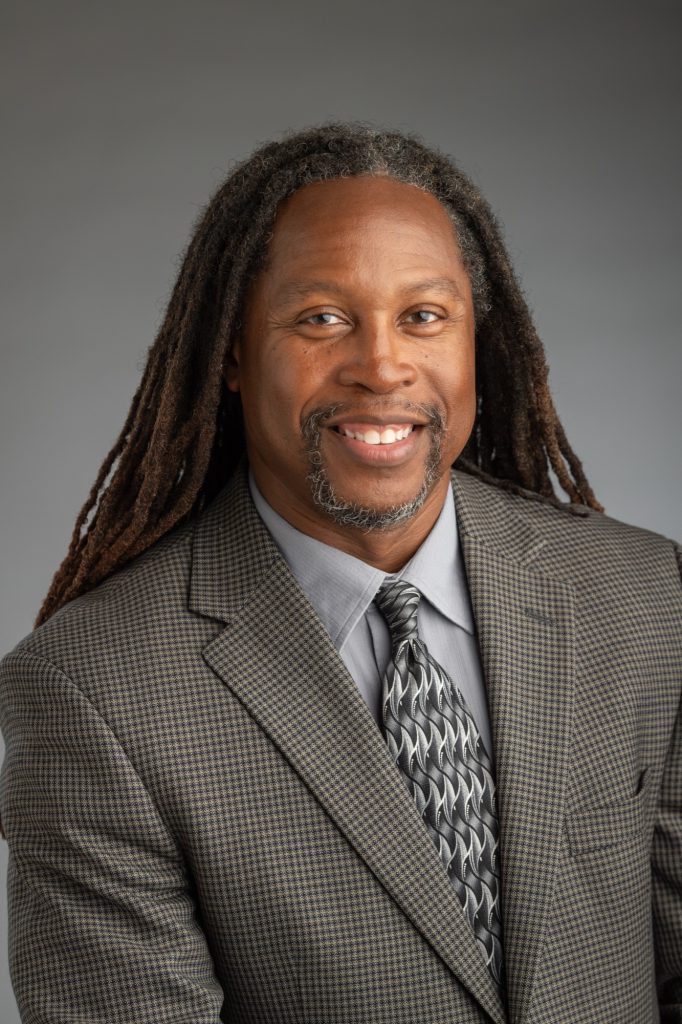
For psychologist and University of Michigan professor Kevin Cokley, the biggest misconception is that Black people are not interested in discussing mental health. The dialogue around mental health is occurring more frequently and probably coincides with “the rise and usage of social media,” says Cokley. “Black men have been socialized not to express emotions, but with an outpouring of grief like when Kobe Bryant died, it helps to normalize sadness and loss.” Black mental health needs to be considered in a larger context. “There must be an understanding that there are lived experiences, a historical context that needs to be considered when examining the mental health of Black folks,” he says. Cokley is spearheading a book project about another psychological issue — the impostor phenomenon. He is “applying this idea to the experiences of Black people and other minorities who struggle in predominantly white spaces because they don’t feel like they belong there.”
Paul Bashea Williams
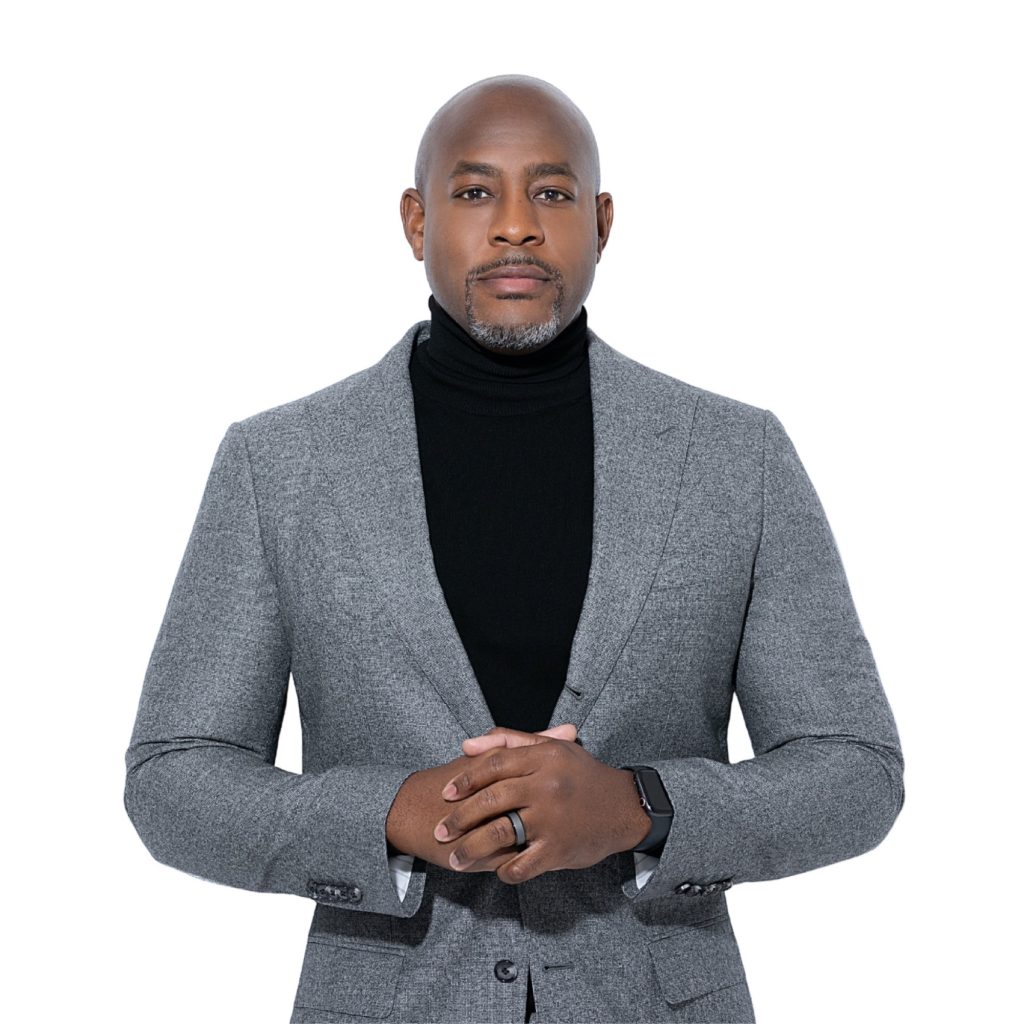
When he was child, being told to pray bad things away wasn’t a strategy that worked for licensed clinical social worker Paul Bashea Williams. Instead, he entered the mental health field because it required him to be honest. His love of counseling became cemented when he attended East Tennessee State University. “Once I got to college, I came home one summer and worked for my mentor, a social worker. I started as an administrative worker and by the end of it I became a counselor. I knew immediately this is what I wanted to do.” An interest that was birthed in adolescence led Williams in 2017 to begin his private counseling practice, Hearts in Mind Counseling, in Maryland. “I want to create an environment where my help is a consistent facilitator of feeling and understanding. There is an opportunity for vulnerability in this space,” he says.
Jennifer Shepard Payne
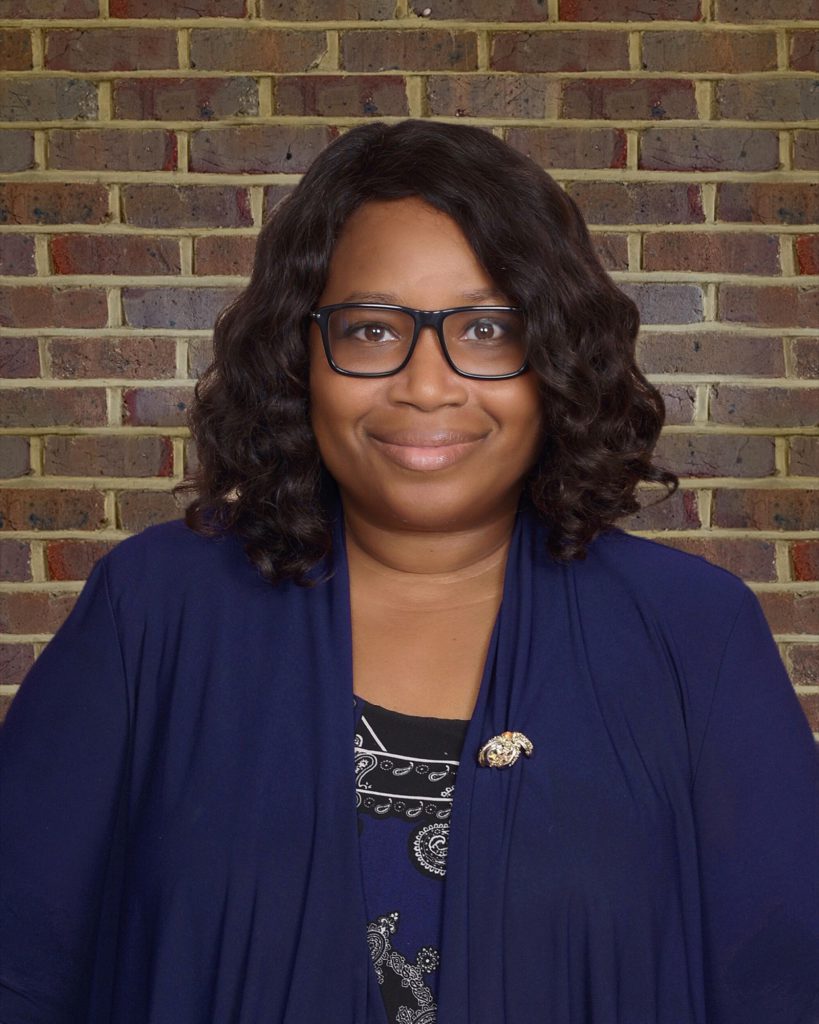
Jennifer Shepard Payne’s disdain for biology at UCLA took her down an unexpected path – to psychology. During the summer, she worked with underprivileged children. “It was such a life-changing experience. .. I just know I had the heart for underrepresented populations,” she says. She dived into social work and pursued her doctorate in social welfare. In her role as a research scientist and clinician at the Kennedy Krieger Institute in Maryland, she’s learned the obstacles causing Black people to delay mental health treatment. “There are insurance and transportation problems, and cultural differences in the way we treat mental health and what it means,” she says. Payne wants to help others manage their symptoms. Her perspective comes from her own experience with fibromyalgia. “I really want to live with purpose. That means acceptance and commitment therapy which teaches us to commit to action toward those values. Success is defined by moving toward those values.”
Tiffany Jenkins
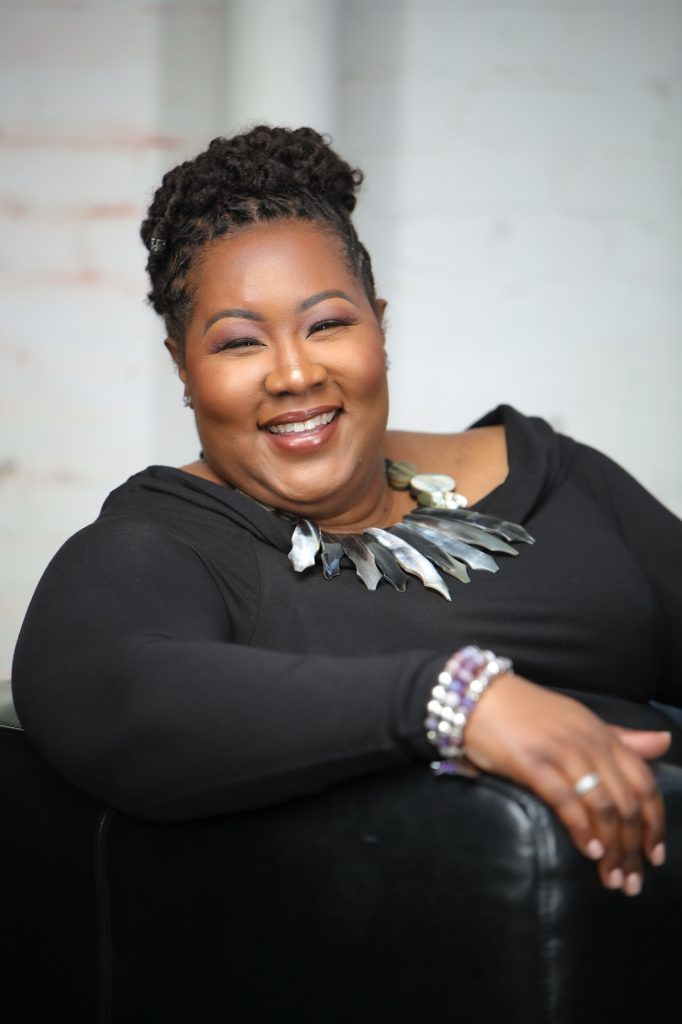
When licensed professional counselor Tiffany Jenkins isn’t working with patients at her practice, Awakening Change Counseling Services in New Jersey, she is powerlifting, which she calls “the greatest stress relief ever.” She understands the importance of finding positive ways to deal with stress since she is “living with general anxiety disorder.” Jenkins wants to create spaces for others to change. “I like just the push of watching someone go from, ‘I don’t know if I can do it’ to — ‘Oh, my God, I did it,’” she says. She also understands the stigma of being Black and admitting to mental health struggles. “Black folks have been very faith based and so part of the stigma that I’ve seen with folks who seek therapy is it is pitched as an anti-spiritual practice,” she says. Jenkins believes therapists should partner with faith-based organizations and have conversations around the intersection between mental wellness versus mental illness.
First published in Black Mental Health Today, Winter 2023 (Vol. 6).