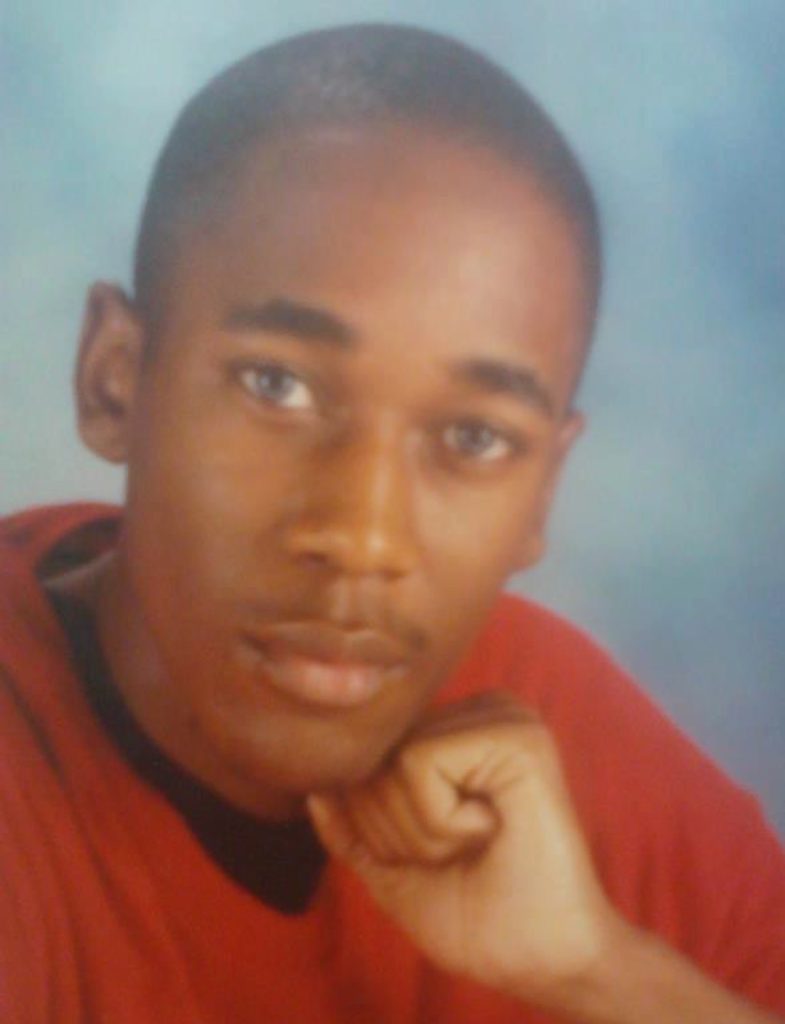
Don Taylor was irritated. He'd planned a party during the Carolina Panthers' 2004 run to the Super Bowl and had invited all three of his children. His oldest son, Darien, didn't show up. "I couldn't believe he didn't call or return my calls," Taylor says.
The next day, a phalanx of police officers crowded his office. At first, he wasn't sure why they were there. "When I heard one of them say, ‘Mr. Taylor, I'm so sorry, this is the worst job a police officer has to perform,' my world started spinning." He was told Darien's self-inflicted gunshot had ended his life. He was just 22 years old. Taylor's emotions ran from guilt to grief. "I remember feeling angry the day of the party because he didn't bother to let me know he wasn't coming. I thought, ‘I'll just deal with him tomorrow.' As it turned out, there would be no tomorrow. My son was gone." Seventeen years later, recounting what happened still causes a ragged raspiness in Don Taylor's voice. "I don't know if we will ever really know why he did it," Taylor says. "Of course, you always wonder, why didn't he just reach out and let us help him?" Young Black people who are thinking about, planning and following through on their plans to die by suicide are part of an increasing trend that started approximately 20 years ago, says Sonyia Richardson, owner of Another Level Counseling and Consultation in Charlotte, North Carolina. The urgency of the situation has been brought to light more recently in "Ring the Alarm: The Crisis of Black Youth Suicide in America," a report commissioned by the Congressional Black Caucus in 2019. While historical data shows lower rates of suicide among Black and white Americans as a whole, suicide rates among Black children and teenagers are climbing. "It's nothing new," says Richardson, a faculty member of the School of Social Work at UNC Charlotte. "It's just that this issue is now getting needed attention." According to the report, from 2007 to 2017, suicide deaths among young people increased from 2.55 per 100,000 to 4.87 per 100,000. The CBC report also states young Black people are dying by suicide at rates higher than any other racial/ethnic group. Additionally, the Centers for Disease Control and Prevention states that for people ages 10 to 34, suicide is the second leading cause of death. A new study using the CDC's Youth Risk Behavior Survey continues to ring the alarm for Black high-school aged youth. The findings indicate and boys are thinking about dying by suicide. However, boys tend to act on their thoughts more frequently than girls. For example, the report shows suicide attempts rose by 73% between 1991and 2017 for Black adolescents (boys and girls), while injury by attempt rose by 122% for adolescent Black boys during that period, suggesting Black males are engaging in more lethal means when attempting suicide. These findings are important since Black young people have historically not been considered at high risk for suicide or suicidal behaviors. What causes youth suicide? The CBC reports the factors aren't always certain, especially when examining reasons exclusive to teens of color. Similar causes include:
Depression or anxiety
Sexual orientation and/or gender identity issues
Previous suicide attempt(s)
Being bullied or bullying others
Inequities in access to resources such as health, education and employment opportunities
Impaired family functioning* (*known also as "critical family issues")
According to a U.S. News and World Report in 2020, critical family issues may include fighting, criticism, competitiveness, anger and low parental monitoring. Knowledge of another person's suicidal acts and access to methods for self-harm were also noted in the CBC report, as well as high levels of screen time and use of social media. "Teenagers now have access to social media and having trauma at their fingertips absolutely heightens anxiety and depression," says licensed mental health counselor Nzinga Cates, owner of Cates Counseling and Consulting, Charlotte, NC. "You can find a video of anything. So when you are constantly watching videos of people fighting at school, or another Black person being killed in the community with no consequence, that's obviously going to affect your psyche." The CBC report confirms an association between traumatic events and suicidal behavior in young people, stating that trauma is disproportionately experienced in Black communities when compared with other communities. Additionally, when experienced, the traumas are more likely to be severe. The CBC report states other factors include economic insecurity, abuse, grief and certain adverse childhood experiences. Can anything be done to prevent suicide among young Black people? "Unfortunately, some of our Black youth don't come into therapy until they attempted suicide, or until they shared with someone they thought about suicide," says Richardson. "They aren't coming in and they aren't getting referred until they are in crisis." Richardson suggests parents, clinicians and the Black community band together to make a difference. She says parents and caregivers need to learn about the prevalence of suicide among young Black people and help to decrease the stigma. Therapists and clinicians can assist by helping to identify young people on the brink before things reach the crisis level. Richardson recommends the National Institute of Mental Health's (NIMH) Ask Suicide Risk Screening Tool. This series of four questions helps professionals assess the gravity of the situation. Getting the answers to these questions are important since the NIMH says most individuals who die by suicide have had contact with a health care provider within three months prior to dying. Because these interactions are usually due to physical complaints, suicidal thoughts and plans aren't known unless a person is asked about them. Finally, if a young person has a history of suicide attempts, therapists and others can provide space for them to discuss their experiences and the circumstances leading up to the attempt, while teaching coping strategies to help avoid suicide. Angela M. Haigler is an award-winning marketing and communications strategist based in Charlotte, North Carolina.
Photo of Darian Taylor
First published in Black Mental Health Today, Fall 2023 (Vol. 9, Anniversary Issue).